 By Hudson Lamington
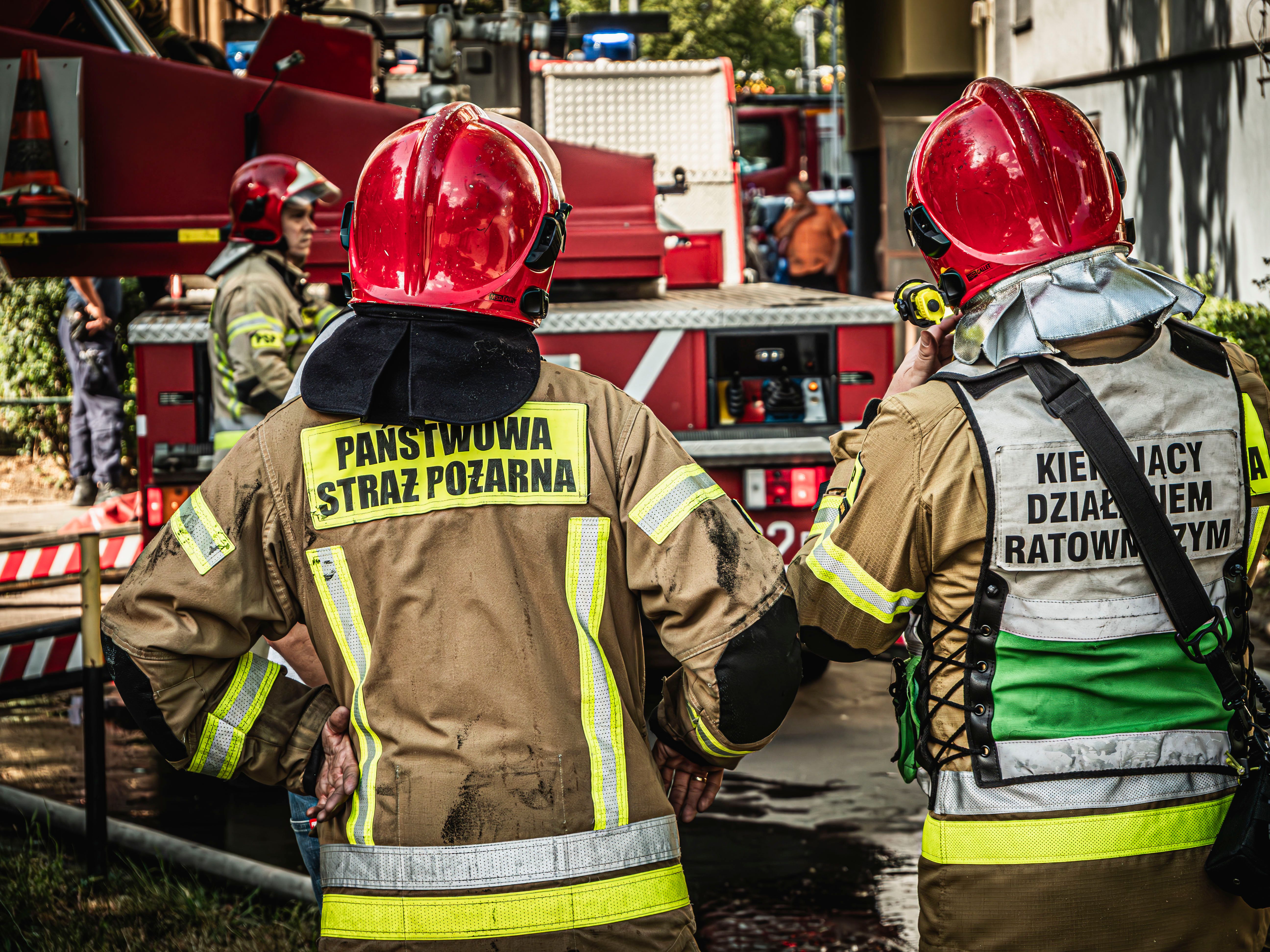
In today’s fast-moving work environments, safety is no longer a checklist item, it is a strategic imperative that shapes reputation, productivity, and employee well-being. Organizations that embed a zero-incident mindset into their daily operations enjoy lower costs, higher morale, and stronger regulatory compliance. Achieving this level of safety requires more than occasional training; it demands a systematic, data-driven consulting approach that aligns policies, culture, and leadership. This article outlines how workplace safety consulting can help build a resilient, zero-incident culture, and provides practical steps for leaders ready to make safety a core business advantage.
Why a Zero-Incident Culture Matters
Zero incidents are not merely a statistical goal; they represent a commitment to continuous improvement and respect for every worker. The benefits extend beyond the obvious reduction in injuries:
- Financial Savings: Fewer claims, lower insurance premiums, and reduced downtime translate into measurable cost reductions.
- Regulatory Confidence: Consistent compliance with occupational health and safety legislation minimizes fines and legal exposure.
- Talent Retention: Employees choose employers who prioritize their well-being, leading to lower turnover and stronger employer branding.
- Operational Excellence: Safe processes are often more efficient, fostering smoother workflows and higher quality output.
Core Elements of Effective Safety Consulting
1. Comprehensive Risk Assessment
Before any improvement can be made, a thorough understanding of existing hazards is essential. Skilled consultants employ a mix of on-site inspections, incident data analysis, and employee interviews to map out risk hotspots.
- Identify both obvious and hidden hazards.
- Prioritize risks based on severity and likelihood.
- Develop a risk register that serves as a living document.
2. Tailored Safety Management Systems (SMS)
A one-size-fits-all safety program rarely succeeds. Consulting firms design SMS frameworks that align with the organization’s size, industry, and operational complexity. These systems integrate policies, procedures, and performance metrics into a cohesive structure.
- Define clear roles and responsibilities.
- Establish measurable Key Performance Indicators (KPIs).
- Implement audit cycles for continual verification.
3. Leadership Engagement
Leadership sets the tone for safety culture. Consultants coach executives on how to model safe behaviors, communicate expectations, and allocate resources effectively.
- Visible participation in safety walks and briefings.
- Regular review of safety performance dashboards.
- Recognition programs that reward proactive safety actions.
4. Employee Involvement
Front-line workers possess the most intimate knowledge of day-to-day hazards. Engaging them through safety committees, suggestion schemes, and peer-to-peer training creates ownership and drives sustainable change.
- Encourage reporting of near-misses without fear of reprisal.
- Facilitate toolbox talks that address real-time concerns.
- Leverage experienced employees as safety mentors.
Implementing a Zero-Incident Roadmap
Transitioning from a reactive safety stance to a proactive zero-incident culture follows a structured roadmap. Below is a step-by-step guide that consulting professionals often recommend.
Step 1 – Baseline Measurement
Collect historical incident data, conduct a culture survey, and benchmark against industry standards. This baseline informs target setting and progress tracking.
Step 2 – Goal Setting & Communication
Define clear, time-bound safety objectives that are communicated across all levels of the organization. Use visual dashboards and regular briefings to keep goals top-of-mind.
Step 3 – Process Redesign
Revise standard operating procedures (SOPs) to embed safety controls directly into work processes. Introduce engineering controls, administrative safeguards, and personal protective equipment (PPE) as layers of defense.
Step 4 – Training & Competency Development
Deploy blended learning solutions that combine e-learning modules, hands-on simulations, and scenario-based drills. Continuous competency tracking ensures skill retention.
Step 5 – Monitoring & Continuous Improvement
Utilize real-time data analytics to detect trends, trigger corrective actions, and celebrate successes. Regular safety audits and management reviews close the feedback loop.
Choosing the Right Consulting Partner
Not all safety consultants deliver the same value. Selecting a partner with proven expertise, industry relevance, and a collaborative approach is critical. When evaluating options, consider the following criteria:
- Track record of measurable incident reductions.
- Depth of sector-specific knowledge.
- Ability to integrate technology such as incident reporting apps and predictive analytics.
- Commitment to knowledge transfer, ensuring internal teams can sustain improvements.
For a deeper dive into proven methodologies, Discover expert strategies here.
Real-World Success Stories
Companies that have partnered with experienced safety consultants report dramatic shifts in culture and performance. Examples include:
- A manufacturing plant reduced recordable injuries by 68% within 12 months through systematic hazard elimination.
- A logistics firm achieved a three-year streak of zero lost-time incidents after implementing a behavior-based safety program.
- A healthcare provider improved compliance scores across all regulatory audits after integrating a customized SMS.
These outcomes illustrate how strategic consulting transforms safety from a compliance checkbox into a competitive advantage. To explore detailed case studies, Learn about our tailored solutions.
Future-Proofing Safety Practices
Emerging technologies are reshaping how organizations approach risk management. Consultants now incorporate tools such as wearable sensors, AI-driven incident prediction, and virtual reality training to anticipate hazards before they materialize.
- Wearables: Real-time monitoring of exposure levels and worker fatigue.
- AI Analytics: Pattern recognition across large data sets to flag high-risk activities.
- VR Simulations: Immersive training that replicates hazardous scenarios safely.
Staying ahead of these innovations requires a partner who continuously updates its methodology. For guidance on integrating advanced tools, Explore advanced guides and tips.
Conclusion
Building a culture of zero incidents is an ambitious yet attainable objective when guided by expert workplace safety consulting. By conducting rigorous risk assessments, customizing management systems, engaging leadership and staff, and leveraging data-driven improvement cycles, organizations can protect their most valuable asset, their people. The journey demands commitment, but the payoff includes stronger financial performance, regulatory confidence, and a workplace where safety is ingrained in every decision. To begin the transformation, Find out more about this approach and take the first step toward a safer, more resilient future.