 By Hudson Lamington
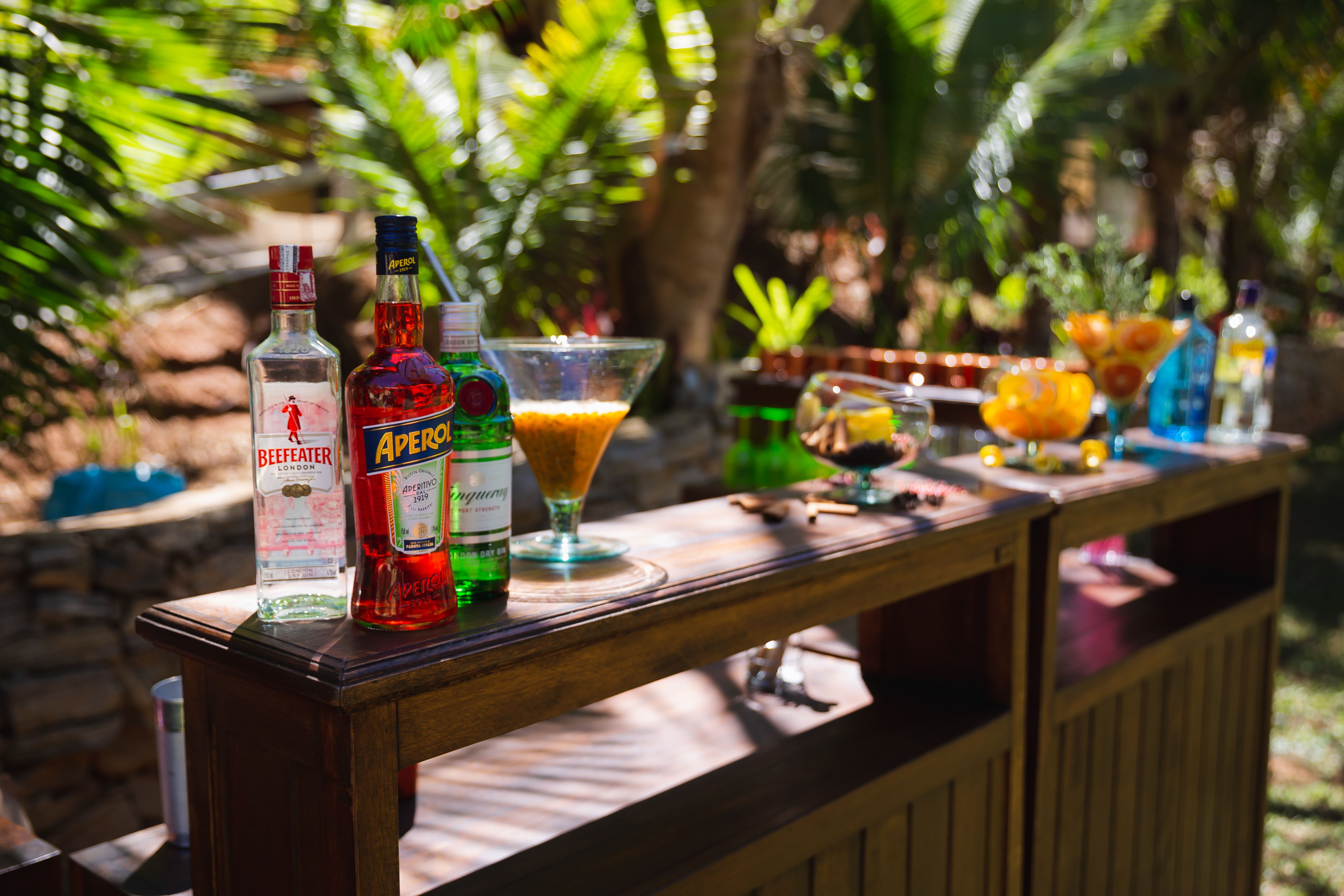
When event planners evaluate beverage options, the decision often narrows down to a mobile alcohol bar versus a traditional brick-and-mortar establishment. Both models can deliver high-quality drinks, but they differ dramatically in cost structure, operational flexibility, and overall impact on guest experience. Understanding these distinctions helps organizers match the right service to the event’s budget, venue constraints, and brand objectives, whether the setting is a corporate rooftop, a wedding garden, or a bustling street festival.
Cost Comparison: Upfront Investment vs. Ongoing Expenses
Financial considerations are usually the first factor in the selection process. Traditional bars typically involve higher fixed costs, while mobile solutions offer a more variable expense model.
Traditional Bars
- Lease or purchase of space: Long-term rent or property acquisition adds a substantial baseline expense.
- Licensing and permits: Permanent establishments must maintain local liquor licenses, health inspections, and zoning compliance, often renewing annually.
- Staffing overhead: Full-time bartenders, managers, and support staff increase payroll and benefits costs.
- Inventory storage: Warehousing for spirits, mixers, and glassware requires additional rent or climate-controlled space.
Mobile Alcohol Bar Solutions
- Pay-per-event pricing: Most providers charge a flat fee that includes equipment, staffing, and a curated drink menu, eliminating long-term commitments.
- Reduced licensing burden: The mobile service typically holds the necessary permits, passing compliance costs onto the client.
- Scalable inventory: Only the quantities needed for the specific event are stocked, minimizing waste and storage fees.
- Lower transportation costs: Modern mobile bar services use compact, fuel-efficient vehicles, keeping logistics affordable.
Flexibility and Customization
Event dynamics often demand rapid adjustments. A mobile setup can adapt to changing guest counts, venue layouts, and thematic requirements more readily than a fixed location.
Location Freedom
- Mobile units can be positioned on rooftops, beachside pavilions, or indoor halls, allowing planners to choose the most visually appealing spot.
- Traditional bars are limited to their existing footprint, which may not align with the event’s aesthetic or flow.
Menu Versatility
- Specialty mobile cocktail bar operators often bring a rotating selection of spirits, seasonal mixers, and signature cocktails tailored to the client’s brand colors or theme.
- Fixed bars may have a static menu due to inventory constraints, making it harder to offer bespoke drinks without extensive pre-planning.
Service Adaptability
- Mobile teams can provide self-serve stations, cocktail workshops, or full-service bar counters, depending on the event’s interaction goals.
- Traditional venues usually operate a single service model, limiting experiential variety.
Impact on Guest Experience
Beyond the numbers, the choice influences how attendees perceive the event. A well-executed mobile concept often becomes a focal point, enhancing memorability.
Atmospheric Enhancement
- Customizable d??cor on a cocktail bar mobile, such as LED lighting, branded signage, and themed glassware, creates Instagram-ready moments.
- Traditional bars rely on existing interior design, which may not match the event’s visual narrative.
Interaction and Engagement
- Mobile bartenders can circulate, offering personalized recommendations and storytelling about the drink’s origin, fostering deeper guest connections.
- Fixed bar staff are generally confined to a stationary counter, limiting one-on-one interaction.
Service Speed and Efficiency
- Because the mobile unit is dedicated solely to the event, there’s no competition for resources, often resulting in shorter wait times.
- High-traffic traditional bars may experience bottlenecks during peak periods, especially if the venue hosts multiple functions simultaneously.
Specialized Offerings: Beyond Standard Spirits
Modern mobile concepts have expanded beyond classic cocktails to include niche services that add further value.
- Mobile wine services can feature curated wine flights, pairing sessions, and on-site sommeliers.
- Some providers specialize in low-ABV or mocktail options, catering to health-conscious guests without sacrificing sophistication.
- Interactive stations for craft bitters, infused syrups, or DIY garnish bars empower attendees to personalize their drinks.
Decision-Making Checklist
Use the following quick reference to determine which model aligns best with event goals.
- Budget constraints: Choose mobile if you need a predictable, all-inclusive cost.
- Venue flexibility: Opt for a mobile unit when the location is unconventional or temporary.
- Brand storytelling: Mobile setups allow for tailored d??cor and menu narratives.
- Guest demographics: If the crowd expects a high-energy, interactive experience, a mobile bar drinks concept often delivers.
- Regulatory environment: For complex licensing jurisdictions, a mobile provider’s existing permits simplify compliance.
Conclusion
Both mobile and traditional bar models have distinct advantages, but the balance of cost efficiency, operational flexibility, and experiential impact frequently tips in favor of the mobile approach for contemporary events. By leveraging the adaptability of a alcohol mobile bar, planners can craft a memorable beverage experience that aligns with budgetary limits, venue constraints, and brand storytelling objectives. The final choice should reflect the specific priorities of the event, ensuring that every guest leaves with a positive impression of the beverage service, whether it arrives on wheels or remains fixed behind a permanent counter.