 By Hudson Lamington
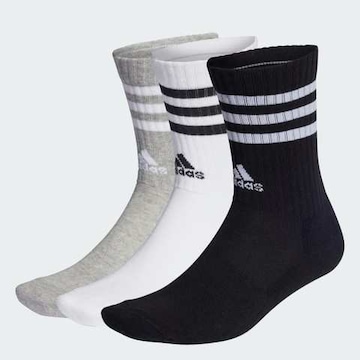
Wholesale socks in the United States have become a cornerstone for retailers and distributors seeking reliable, cost-effective inventory. The market demands products that combine durability, style, and comfort while maintaining competitive margins. For bulk buyers, understanding the supply chain, quality standards, and pricing structures is essential to stay ahead of seasonal trends and consumer expectations. This guide outlines the critical factors that influence successful sock procurement and offers actionable insights for large-scale purchasing.
Why Bulk Sock Purchasing Is a Strategic Advantage
Buying socks in bulk provides several measurable benefits that directly impact the bottom line:
- Volume discounts: Larger orders typically unlock lower unit costs, improving profit margins.
- Consistent inventory: Maintaining a steady stock reduces the risk of out-of-stock situations during peak sales periods.
- Brand alignment: Supplying high-quality, on-trend socks reinforces a retailer’s reputation for value and style.
- Logistical efficiency: Consolidated shipments streamline warehousing and reduce handling fees.
Key Quality Criteria for Wholesale Socks
When evaluating potential suppliers, focus on the following specifications to ensure the product meets both retailer and consumer expectations:
Material Composition
- Cotton blends for breathability and softness.
- Polyester or nylon for durability and moisture-wicking performance.
- Spandex or elastane for stretch and shape retention.
Construction Standards
- Reinforced toe and heel areas to prevent premature wear.
- Seamless or flat-lock cuffs to reduce irritation.
- Consistent stitch density for uniform appearance.
Compliance and Certification
- OEKO-Tex or similar certifications confirming the absence of harmful substances.
- Adherence to U.S. labeling regulations, including fiber content and care instructions.
Effective Sourcing Strategies
Choosing the right sourcing approach can dramatically affect cost, lead time, and product quality. Below are proven tactics for bulk buyers:
- Discover expert strategies here – leveraging data-driven demand forecasts to align orders with market trends.
- Develop long-term relationships with manufacturers that prioritize consistent quality control.
- Negotiate flexible payment terms and volume-based rebates to improve cash flow.
- Utilize third-party inspection services to verify compliance before shipment.
Pricing Models and Margin Optimization
Understanding the components of sock pricing helps retailers set competitive retail prices while protecting margins:
- Base material cost: Varies by fiber blend and thread count.
- Manufacturing overhead: Includes labor, equipment depreciation, and quality testing.
- Logistics: Freight, customs duties (if imported), and warehousing.
- Markup strategy: Typically ranges from 30% to 60% depending on brand positioning.
By dissecting each element, buyers can identify opportunities for cost reduction without compromising product integrity.
Seasonal Planning and Inventory Management
Seasonality plays a pivotal role in sock sales. Aligning purchase cycles with consumer demand ensures optimal stock levels:
- Plan for higher demand in back-to-school, holiday, and sports seasons.
- Maintain a balanced mix of basic, performance, and fashion-forward styles.
- Implement just-in-time (JIT) replenishment for fast-moving SKUs to minimize excess inventory.
Marketing Support and Value-Added Services
Many wholesale partners offer additional resources that can boost sales performance:
- Learn about our tailored solutions – such as private-label branding, custom packaging, and exclusive color palettes.
- Access to high-resolution product imagery and descriptive copy for e-commerce listings.
- Co-operative advertising programs that share promotional costs.
Compliance with Sustainability Trends
Eco-conscious consumers increasingly favor brands that demonstrate environmental responsibility. Incorporating sustainable practices into sock procurement can differentiate a retailer’s offering:
- Source organic cotton or recycled polyester fibers.
- Partner with manufacturers that employ water-saving dye processes.
- Highlight certifications and sustainability metrics on product pages.
Choosing the Right Wholesale Partner
Evaluating potential suppliers requires a comprehensive checklist to ensure alignment with business goals:
- Track record of on-time delivery and order accuracy.
- Transparent pricing structures without hidden fees.
- Capability to scale production for seasonal spikes.
- Responsive customer service and dedicated account management.
For retailers seeking a proven source of high-quality socks, exploring the catalog offered by a reputable distributor can be a decisive step. Explore advanced guides and tips on selecting the right product mix, negotiating terms, and optimizing inventory turnover.
Conclusion
Wholesale socks represent a lucrative segment for U.S. retailers and distributors when approached with strategic insight. By prioritizing material quality, leveraging data-driven sourcing, and aligning inventory with seasonal demand, bulk buyers can secure competitive pricing while delivering products that meet consumer expectations. Integrating sustainability, marketing support, and reliable supplier partnerships further enhances market positioning. Armed with these best practices, wholesale purchasers are well-equipped to expand their sock portfolios and drive sustained growth.