 By Hudson Lamington
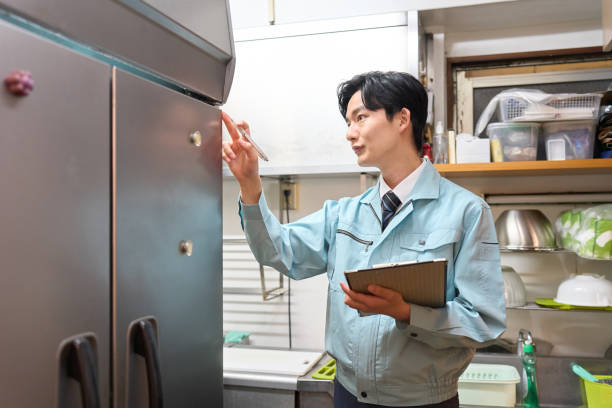
Preventative maintenance for kitchens is a critical aspect of maintaining restaurant efficiency. Effective kitchen operations are crucial for delivering high-quality service and ensuring customer satisfaction. A well-maintained kitchen not only ensures that food is prepared and presented to the highest standards but also minimizes the risk of equipment failure, which can be costly and disrupt service. Regular maintenance helps to prevent downtime and reduces the likelihood of costly repairs.
Benefits of Preventative Maintenance for Kitchens
Regular maintenance of kitchen equipment can help to prevent breakdowns, reducing the need for costly repairs and minimizing downtime. This can lead to significant savings for restaurants, especially those that operate with tight profit margins. Furthermore, regular maintenance can help to extend the lifespan of equipment, reducing the need for frequent replacements.
Reducing the Risk of Equipment Failure
Equipment failure can have serious consequences for restaurants, including loss of business, damage to reputation, and financial losses. Regular maintenance can help to identify potential issues before they become major problems, reducing the risk of equipment failure. This can be particularly important for critical equipment such as refrigerators, freezers, and cooking ranges.
Effective Preventative Maintenance Strategies
Effective preventative maintenance strategies involve a combination of regular cleaning, lubrication, and inspection. This can help to identify potential issues before they become major problems and reduce the risk of equipment failure. Regular cleaning can help to prevent the buildup of grease and debris, which can cause equipment to malfunction. Lubrication can help to reduce wear and tear on moving parts, extending the lifespan of equipment.
Restaurant Equipment Maintenance
Regular maintenance of restaurant equipment can help to prevent breakdowns, reduce downtime, and minimize the risk of costly repairs. This can be particularly important for equipment that is used frequently, such as dishwashers, ice machines, and cooking ranges. Regular maintenance can help to identify potential issues before they become major problems, reducing the risk of equipment failure.
Conclusion
Preventative maintenance for kitchens is a critical aspect of maintaining restaurant efficiency. Regular maintenance can help to prevent breakdowns, reduce downtime, and minimize the risk of costly repairs. By implementing effective preventative maintenance strategies, restaurants can reduce the risk of equipment failure, minimize downtime, and ensure that equipment is operating at optimal levels. For more information on preventative maintenance for kitchens, visit preventative maintenance for kitchens to learn more about how regular maintenance can help to boost restaurant efficiency.
By prioritizing preventative maintenance, restaurants can ensure that their kitchen operations are running smoothly and efficiently, delivering high-quality service to customers and minimizing the risk of equipment failure.
Regular maintenance can help to identify potential issues before they become major problems, reducing the risk of equipment failure and minimizing downtime. This can be particularly important for critical equipment such as refrigerators, freezers, and cooking ranges.
For more information on restaurant equipment maintenance, visit restaurant equipment maintenance to learn more about how regular maintenance can help to boost restaurant efficiency.
By implementing effective preventative maintenance strategies, restaurants can reduce the risk of equipment failure, minimize downtime, and ensure that equipment is operating at optimal levels.
- Regular cleaning can help to prevent the buildup of grease and debris, which can cause equipment to malfunction.
- Lubrication can help to reduce wear and tear on moving parts, extending the lifespan of equipment.
- Regular inspection can help to identify potential issues before they become major problems, reducing the risk of equipment failure.