 By Hudson Lamington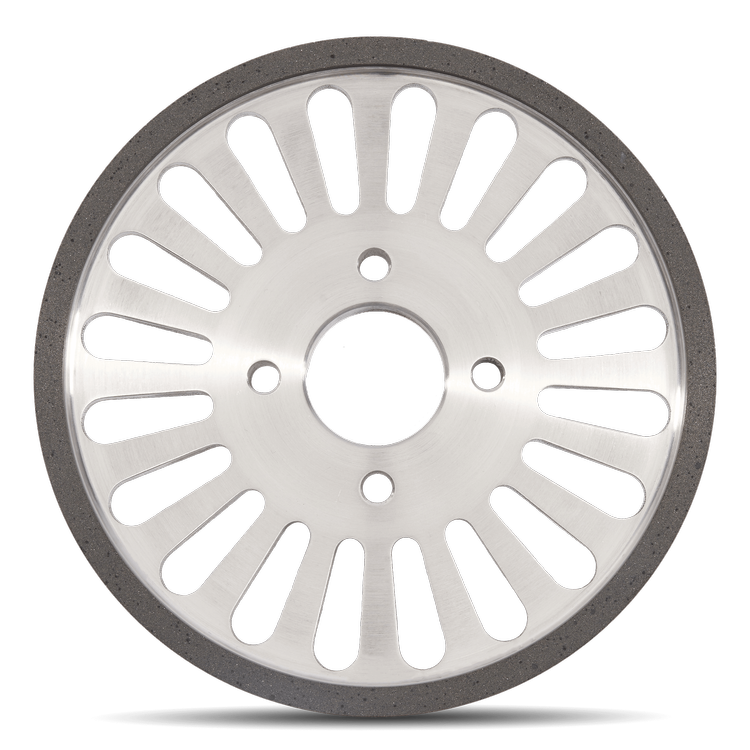
The industrial landscape is undergoing a transformation with the advent of advanced grinding solutions like diamond resin wheels. These cutting-edge tools have become indispensable in many industries due to their efficiency, precision, and durability. As manufacturers seek to optimize performance and outcomes, the significance of these wheels becomes increasingly prominent. Understanding the mechanics and advantages offered by diamond resin wheels can provide a competitive edge in precision-based applications.
Understanding Diamond Resin Wheels
Diamond resin wheels are a type of abrasive tool used for grinding, cutting, and polishing various hard materials. The combination of diamond particles and a resin bond creates a wheel with unique properties that cater to high-precision industrial applications.
Key Features of Diamond Resin Wheels
- High Performance: The integration of diamond particles enhances the cutting efficiency and lifespan of the wheel.
- Versatility: Suitable for grinding a wide range of materials including glass, ceramics, and carbide.
- Precision: Offers superior finishing due to the fine diamond grit.
- Durability: The resin bond ensures a robust structure that withstands rigorous operations.
These features make diamond resin wheels a preferred choice for industries that demand precision and reliability.
Applications Across Industries
Diamond resin wheels are utilized in various sectors due to their adaptability and efficiency. They play a crucial role in the following domains:
- Manufacturing: Essential in the production of high-precision components where material integrity is crucial.
- Automotive: Used in the shaping and finishing of engine parts to ensure optimal performance.
- Aerospace: Critical for crafting components that must adhere to strict tolerances.
- Jewelry Making: Ideal for producing detailed and intricate designs.
These applications highlight the versatility of diamond resin wheels, making them a valuable tool across different industries.
The Role of Resin Bond in Grinding
The resin bond is a critical component in the functionality of diamond resin wheels. This bond type serves as a matrix that holds the diamond particles together, enhancing the wheel”?s stability and performance.
Advantages of Resin Bond
- Flexibility: Allows the wheel to conform to the material being processed, reducing the risk of damage.
- Improved Surface Finish: Facilitates smoother operations that result in a superior finish.
- Reduced Heat Buildup: Minimizes thermal damage to the workpiece.
The resin bond diamond grinding wheel is specifically designed to provide these benefits, ensuring enhanced performance in various applications.
Choosing the Right Diamond Resin Wheel
When selecting a resin bond grinding wheel, several factors should be considered to ensure optimal performance:
- Material Type: The wheel should be compatible with the material being processed.
- Grit Size: A finer grit size is suitable for finishing, while a coarser grit is better for material removal.
- Bond Type: The choice between soft and hard bonds depends on the specific application requirements.
- Wheel Shape: The shape should align with the geometry of the workpiece.
By carefully evaluating these factors, users can select the ideal diamond resin wheels for their specific needs, ensuring precision and efficiency in their operations.
Conclusion
Diamond resin wheels represent a significant advancement in grinding technology. Their ability to deliver precise, high-quality results makes them indispensable in various industrial applications. By leveraging the unique properties of the resin bond and the cutting power of diamonds, these wheels offer unparalleled performance and versatility. As industries continue to evolve, the demand for efficient and reliable grinding solutions like the resin grinding wheel will undoubtedly increase, marking a new era of precision engineering.