 By Hudson Lamington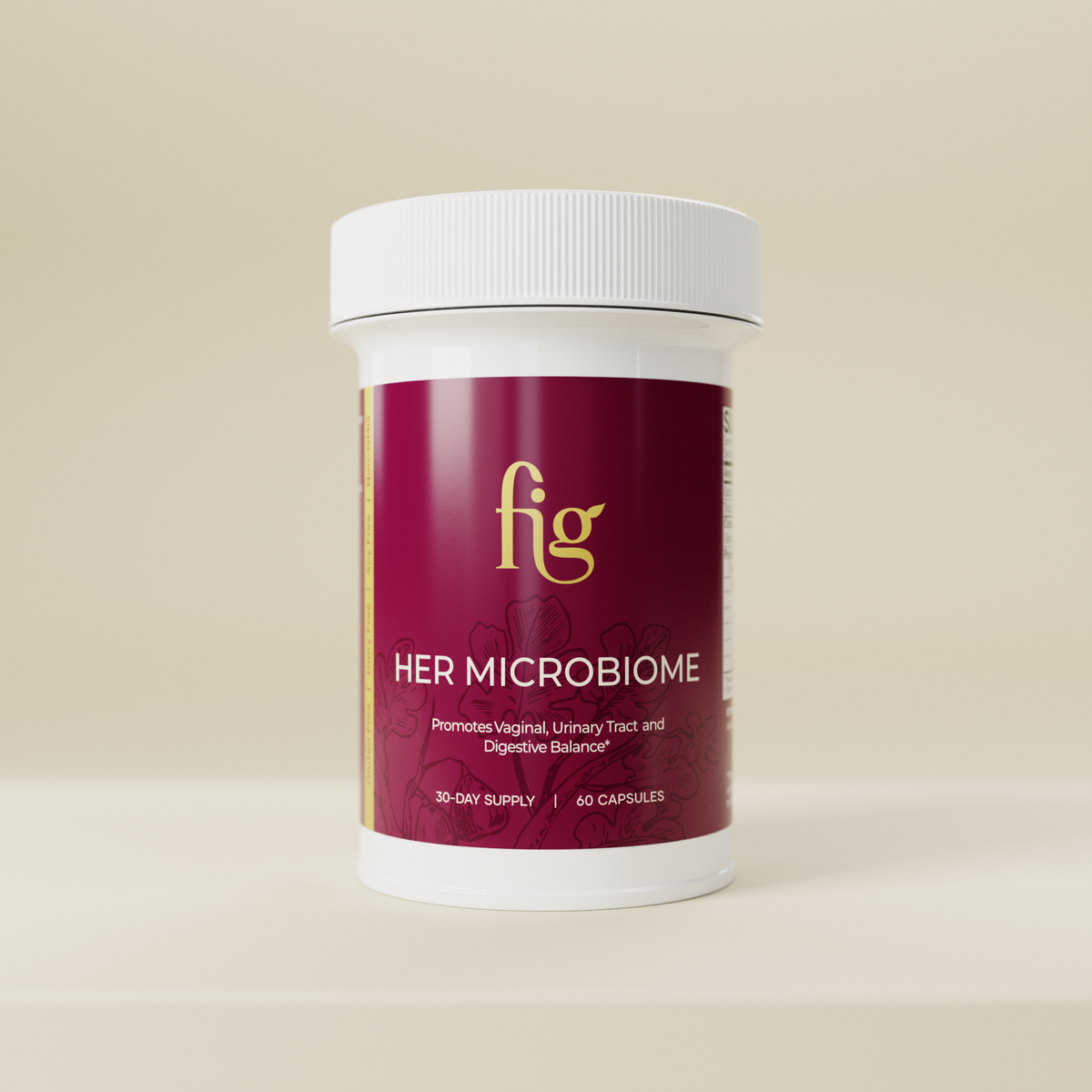
In recent years, the term “microbiome” has gained significant attention in both scientific circles and public health discussions. While the gut microbiome has been extensively studied, the vaginal microbiome, or HER Microbiome, is equally critical to understanding women’s health. The vaginal microbiome refers to the community of microorganisms residing in the vaginal area, playing a pivotal role in maintaining a healthy vaginal environment. It is essential, yet often overlooked, aspect of women’s health that warrants broader awareness and understanding.
What is the Vaginal Microbiome?
The vaginal microbiome consists of diverse microorganisms, including bacteria, fungi, and viruses, living symbiotically within the vaginal environment. A healthy vaginal microbiome is predominantly populated by beneficial bacteria, particularly Lactobacillus species, which help maintain an acidic pH level. This acidity is crucial as it acts as a natural defense mechanism against pathogenic bacteria and infections.
The Role of Lactobacillus
Lactobacillus species are vital for a balanced vaginal microbiome. They produce lactic acid and hydrogen peroxide, which help to:
- Inhibit the growth of harmful bacteria.
- Maintain an optimal acidic pH level.
- Support a robust immune response.
An imbalance in these beneficial bacteria can lead to conditions like bacterial vaginosis or yeast infections, highlighting the importance of maintaining a healthy vaginal microbiome.
Factors Affecting Vaginal Microbiome Health
Hormonal Changes
Hormonal fluctuations, especially those related to the menstrual cycle, pregnancy, and menopause, can impact the composition of the vaginal microbiome. Estrogen plays a significant role in promoting the growth of Lactobacillus species, making hormonal balance crucial for microbiome health.
Lifestyle and Environmental Factors
Several external factors can influence the vaginal microbiome, including:
- Antibiotic use, which can disrupt the balance of beneficial bacteria.
- Diet and nutrition, as certain foods can promote healthy bacteria growth.
- Hygiene practices, such as the use of douches or scented products, which can upset the natural balance.
Why HER Microbiome Health Matters
Maintaining a healthy vaginal microbiome is crucial for several reasons:
- Prevention of Infections: A balanced microbiome reduces the risk of infections such as urinary tract infections (UTIs) and sexually transmitted infections (STIs).
- Reproductive Health: A healthy microbiome supports fertility and reduces complications during pregnancy.
- General Wellbeing: An imbalance can lead to discomfort and affect overall quality of life.
Supporting Vaginal Microbiome Health
There are several strategies to support a healthy vaginal microbiome:
Dietary Considerations
Consuming a diet rich in probiotics and prebiotics can help maintain a healthy microbiome. Foods like yogurt, fermented foods, and fiber-rich vegetables are beneficial.
Safe Hygiene Practices
Avoiding harsh soaps and scented products in the vaginal area can help preserve the natural balance of bacteria. Opt for gentle, pH-balanced products instead.
Consider Professional Support
For those seeking targeted support, products like HER Microbiome can provide specific nutrients and probiotics that support vaginal health. These products are designed to enhance the natural balance of the vaginal microbiome.
Conclusion
Understanding the importance of HER Microbiome health is vital for every woman. It goes beyond preventing infections and contributes to overall health and wellbeing. By being mindful of the factors that influence the vaginal microbiome and adopting supportive lifestyle habits, women can take proactive steps to maintain their health. Engaging in open conversations and seeking reliable information are key to empowering women to prioritize this critical aspect of their health.