 By Hudson Lamington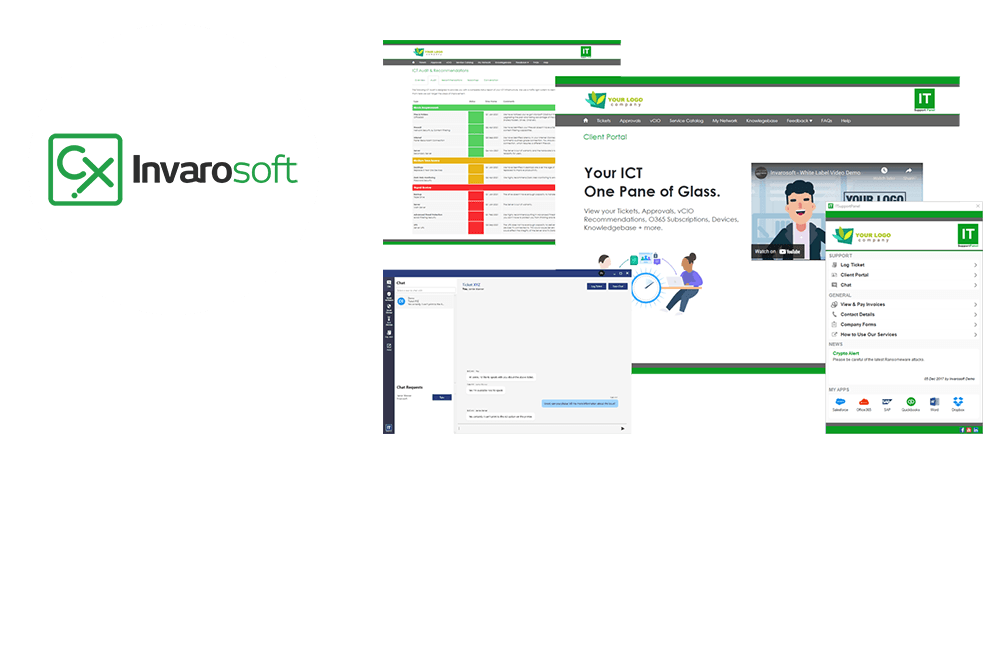
In the contemporary business landscape, organizations are continuously seeking innovative solutions to enhance their performance and secure a competitive edge. A client success platform has emerged as a pivotal tool for businesses aiming to streamline their operations, improve customer satisfaction, and ultimately drive growth. By integrating comprehensive features tailored to support client management and engagement, these platforms are transforming how businesses interact with their clients and deliver value.
The Role of Client Success Platforms in Business Transformation
Client success platforms are redefining the way businesses approach customer relationship management. These platforms provide an all-encompassing solution to manage client interactions, track performance metrics, and enhance service delivery. Here are some ways in which they drive business transformation:
- Improved Client Engagement: These platforms enable businesses to maintain continuous engagement with their clients, fostering strong relationships and increasing customer loyalty.
- Data-Driven Insights: By leveraging analytics, businesses can gain valuable insights into customer behavior, preferences, and needs, allowing for more informed decision-making.
- Streamlined Operations: Automating routine tasks and processes through a service delivery platform reduces operational inefficiencies and allows teams to focus on strategic initiatives.
- Proactive Problem Solving: Anticipating client needs and addressing potential issues before they escalate enhances the overall client experience.
Key Features of an Effective Client Success Platform
To truly transform business performance, a client success platform must offer a range of features that cater to various aspects of client management. Key features include:
Comprehensive Client Portals
Client portals provide a centralized hub for clients to access important information, track their service status, and communicate with service providers. This transparency fosters trust and enhances the client experience.
Advanced Analytics and Reporting
In-depth analytics and reporting capabilities allow businesses to monitor key performance indicators (KPIs) and assess the effectiveness of their client engagement strategies. Such data-driven approaches are crucial for continuous improvement.
Automated Communication Tools
Automating communication through personalized emails, notifications, and alerts ensures timely and relevant interactions with clients, thereby improving engagement and satisfaction levels.
Implementing a Client Success Platform
Implementing a client success platform requires a strategic approach to ensure that it aligns with business goals and delivers the desired outcomes. Considerations for successful implementation include:
- Identifying Business Needs: Clearly defining the specific needs and objectives of the organization helps in selecting the most suitable platform.
- Integration with Existing Systems: Ensuring seamless integration with existing IT infrastructure maximizes the platform’s effectiveness and minimizes disruptions.
- Training and Support: Providing comprehensive training and ongoing support to employees ensures they can effectively utilize the platform’s capabilities.
- Monitoring and Evaluation: Regularly assessing the platform’s impact on business performance and making necessary adjustments ensures sustained success.
The Future of Business with Client Success Platforms
The future of business increasingly hinges on the ability to deliver exceptional client experiences. As technology evolves, client success platforms will continue to play a crucial role in enabling businesses to adapt and thrive in a dynamic market. Key trends shaping the future include:
- Increased Personalization: Advanced analytics and AI-driven insights will enable even more personalized client interactions, enhancing satisfaction and loyalty.
- Greater Integration: The integration of platforms with other business systems will create a more cohesive and efficient operational environment.
- Enhanced Mobility: With the rise of mobile technology, platforms will offer greater flexibility, allowing businesses to manage client relationships on-the-go.
In conclusion, adopting a client success platform is not merely about optimizing current operations; it is about setting the foundation for long-term success and sustainability. By focusing on improving client relationships and enhancing service delivery, businesses can achieve significant performance transformation, ensuring they remain competitive in an ever-evolving marketplace.