 By Hudson Lamington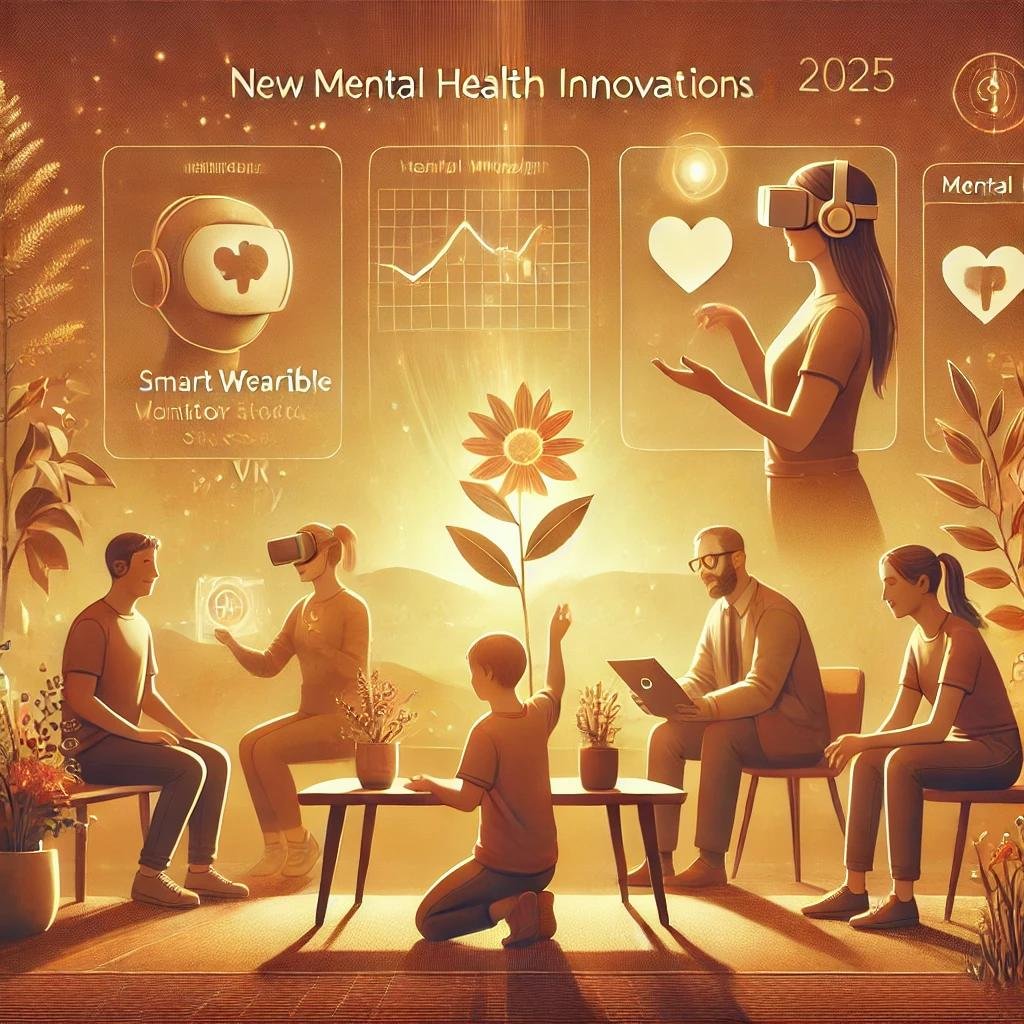
The field of clinical mental health counseling is on the brink of a transformation driven by technological advancements and evolving societal needs. As mental health issues become increasingly recognized and destigmatized, there is a growing demand for innovative approaches to counseling. With the integration of new tools and methodologies, counselors are better equipped to provide effective support and interventions. This article explores the key trends and innovations poised to shape the future of clinical mental health counseling.
Technological Advancements in Mental Health Counseling
Technology is playing a pivotal role in reshaping mental health services. The integration of digital tools in counseling practices offers numerous benefits:
- Teletherapy: The rise of teletherapy has made mental health services more accessible to individuals, regardless of geographical barriers. It allows for flexible scheduling and can reach people in remote areas.
- Mobile Apps: Mental health apps provide users with on-demand access to resources, mindfulness exercises, and mood tracking. These tools can complement traditional therapy sessions and enhance self-management.
- AI-Powered Interventions: Artificial intelligence is being used to develop personalized treatment plans and predictive analytics to anticipate patient needs. AI can help in monitoring patient progress and making data-driven adjustments to therapy.
Discover expert strategies here to leverage technology in mental health counseling.
Holistic and Integrative Approaches
There is a growing recognition of the importance of addressing mental health from a holistic perspective. Integrative approaches are becoming increasingly popular, incorporating various techniques to support mental well-being:
- Mind-Body Connection: Practices such as yoga, meditation, and tai chi are being integrated into counseling to promote physical and mental harmony.
- Nutritional Psychiatry: Understanding the impact of diet on mental health is leading to the inclusion of nutritional guidance as part of comprehensive treatment plans.
- Art and Music Therapy: Creative therapies are gaining traction as effective tools for expression and healing, particularly for individuals who struggle with traditional verbal communication.
Learn about our tailored solutions here to incorporate holistic methods into mental health care.
Emphasis on Preventative Care
Preventative mental health care is a growing focus, emphasizing the importance of early intervention and education to reduce the prevalence of mental health disorders:
- Community Programs: Initiatives aimed at increasing mental health awareness and education in communities can reduce stigma and encourage early help-seeking behavior.
- School-Based Interventions: Programs in schools help children and adolescents develop emotional resilience and coping strategies, potentially preventing the onset of mental health issues later in life.
- Workplace Wellness: Employers are increasingly recognizing the importance of mental health in the workplace, leading to the implementation of programs that support employee well-being.
Explore advanced guides and tips here on implementing preventative strategies in mental health programs.
Personalization and Precision in Treatment
Personalized mental health care is becoming more prevalent, with treatments tailored to the individual’s unique needs and circumstances. This approach is supported by:
- Genetic Testing: Genetic insights can inform treatment decisions, helping to identify the most effective medications and therapies for each person.
- Data-Driven Approaches: The use of big data and analytics helps in understanding patterns and predicting outcomes, allowing for more precise interventions.
- Patient-Centered Care: Emphasizing the patient’s voice in treatment planning leads to more engaged and motivated individuals, improving treatment outcomes.
Find out more about this approach here to enhance personalized care in mental health counseling.
As clinical mental health counseling continues to evolve, staying informed about these trends and innovations is crucial for practitioners aiming to provide the most effective care. By embracing technological advancements, holistic approaches, preventative care, and personalized treatments, the field is poised to make significant strides in improving mental health outcomes worldwide.