 By Hudson Lamington
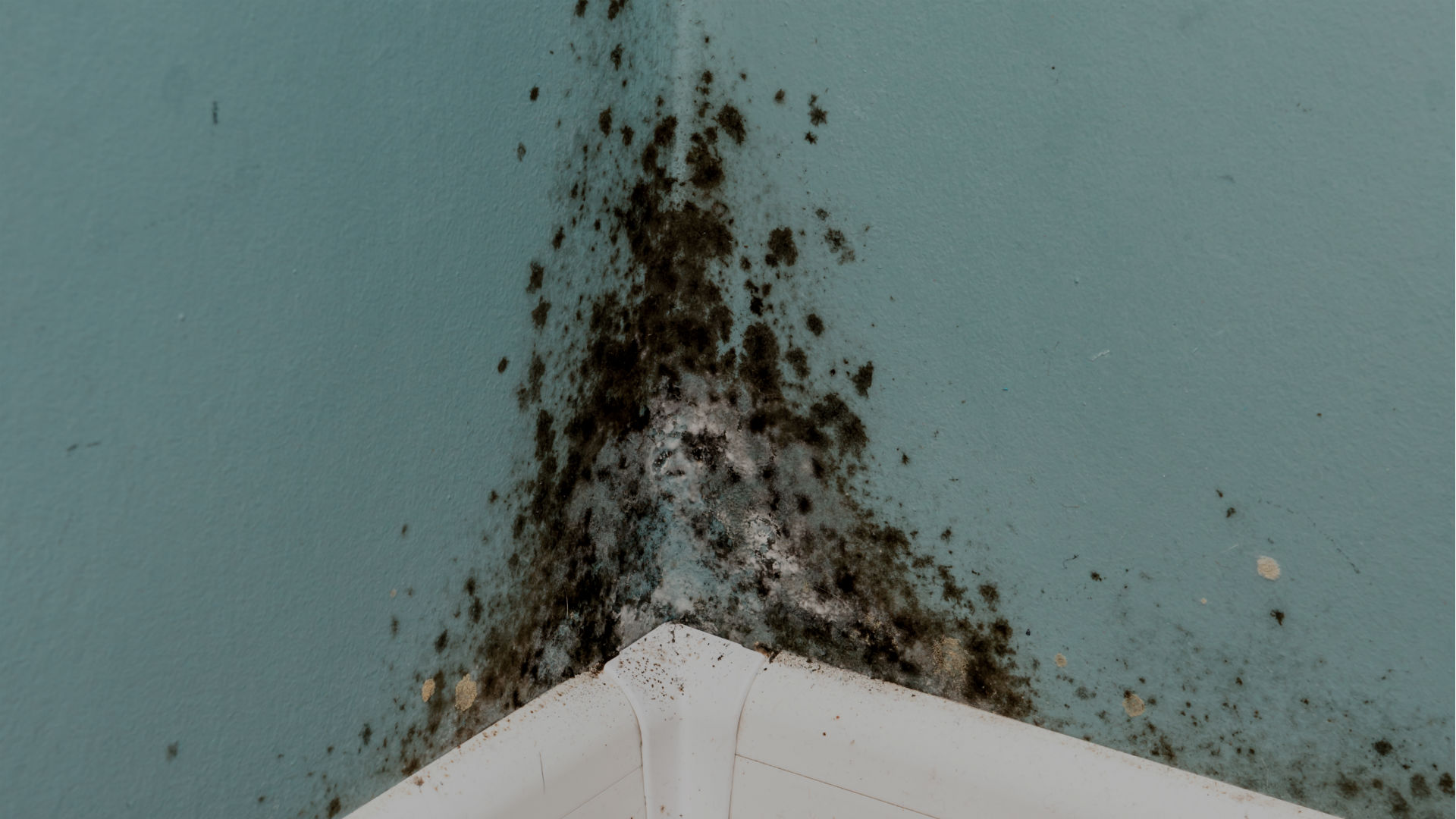
Indoor mould can develop silently behind walls, under flooring, or within ventilation systems, posing risks that are often overlooked until they become visible or cause health problems. Regular mould inspection helps identify hidden growth early, allowing property owners to address issues before they spread, compromise structural integrity, or affect occupants’ well-being. By understanding the benefits of a thorough indoor mould assessment, individuals and facilities can make informed decisions that protect both health and investment.
Why Indoor Mould Inspection Matters
Even in well-maintained buildings, moisture-related problems can arise from everyday activities such as cooking, showering, or occasional leaks. An inspection provides a systematic evaluation of these hidden conditions, offering several key advantages:
- Early Detection: Identifies mould colonies before they become extensive, reducing remediation costs.
- Health Protection: Limits exposure to spores that can trigger allergies, asthma, or other respiratory issues.
- Structural Safeguarding: Prevents long-term damage to timber, drywall, and insulation that can compromise building stability.
- Insurance and Compliance: Provides documented evidence for insurance claims and helps meet local health and safety regulations.
For a deeper understanding of how inspections contribute to overall indoor air quality, Read more about this topic.
Health Implications of Hidden Mould
Mould releases spores and volatile organic compounds (VOCs) that can circulate throughout a building. Prolonged exposure may lead to:
- Chronic coughing and wheezing.
- Sinus congestion and headaches.
- Exacerbation of asthma symptoms.
- Potential skin irritation and allergic reactions.
Vulnerable groups, including children, the elderly, and individuals with compromised immune systems, are especially at risk. Understanding these health impacts underscores the importance of regular checks. Learn more in this detailed guide.
Key Indicators for a Professional Inspection
While visual signs such as discoloration or musty odors are obvious clues, many mould problems remain invisible. Professionals look for subtle indicators, including:
Moisture Sources
- Condensation on windows or pipes.
- Water stains on ceilings and walls.
- Persistent dampness in basements or crawl spaces.
Ventilation Deficiencies
- Inadequate airflow in bathrooms and kitchens.
- Blocked or poorly maintained HVAC filters.
- Negative pressure differentials that draw humid air into building envelopes.
Recognizing these signs helps prioritize inspection areas. Explore further insights here.
Steps Involved in an Effective Inspection
A comprehensive indoor mould inspection typically follows a structured process:
- Pre-Inspection Consultation: Discuss building history, recent water incidents, and occupant health concerns.
- Visual Survey: Examine all accessible areas for visible mould, water damage, and moisture accumulation.
- Moisture Mapping: Use hygrometers, moisture meters, or thermal imaging to locate hidden damp zones.
- Air Sampling (if needed): Collect indoor air samples to quantify spore concentrations and compare them to outdoor baselines.
- Surface Sampling: Swab suspicious materials for laboratory analysis to identify mould species.
- Report Generation: Provide a detailed document outlining findings, risk levels, and recommended remediation steps.
Each phase is designed to build a clear picture of the indoor environment, ensuring no hidden problem is missed. Find additional information here.
Preventive Measures After Inspection
Once the inspection report is reviewed, implementing preventive strategies can curb future mould growth:
- Control Moisture: Fix leaks promptly, use dehumidifiers in humid areas, and maintain indoor relative humidity between 30-60%.
- Improve Ventilation: Install exhaust fans in bathrooms and kitchens, and ensure HVAC systems are regularly serviced.
- Use Mould-Resistant Materials: Opt for paints, sealants, and building products that inhibit fungal growth in high-risk zones.
- Regular Monitoring: Schedule periodic visual checks and moisture assessments, especially after seasonal changes.
Adopting these practices not only protects health but also extends the lifespan of building components. Read more about this topic.
Conclusion
Indoor mould inspection is a proactive investment in both health and property preservation. By detecting hidden growth early, understanding the health ramifications, recognizing subtle indicators, and following a systematic inspection protocol, building occupants can maintain a safer, healthier indoor environment. Consistent preventive actions, rooted in the findings of a thorough inspection, further reduce the likelihood of recurrence, ensuring that indoor spaces remain comfortable and resilient for years to come.