 By Hudson Lamington
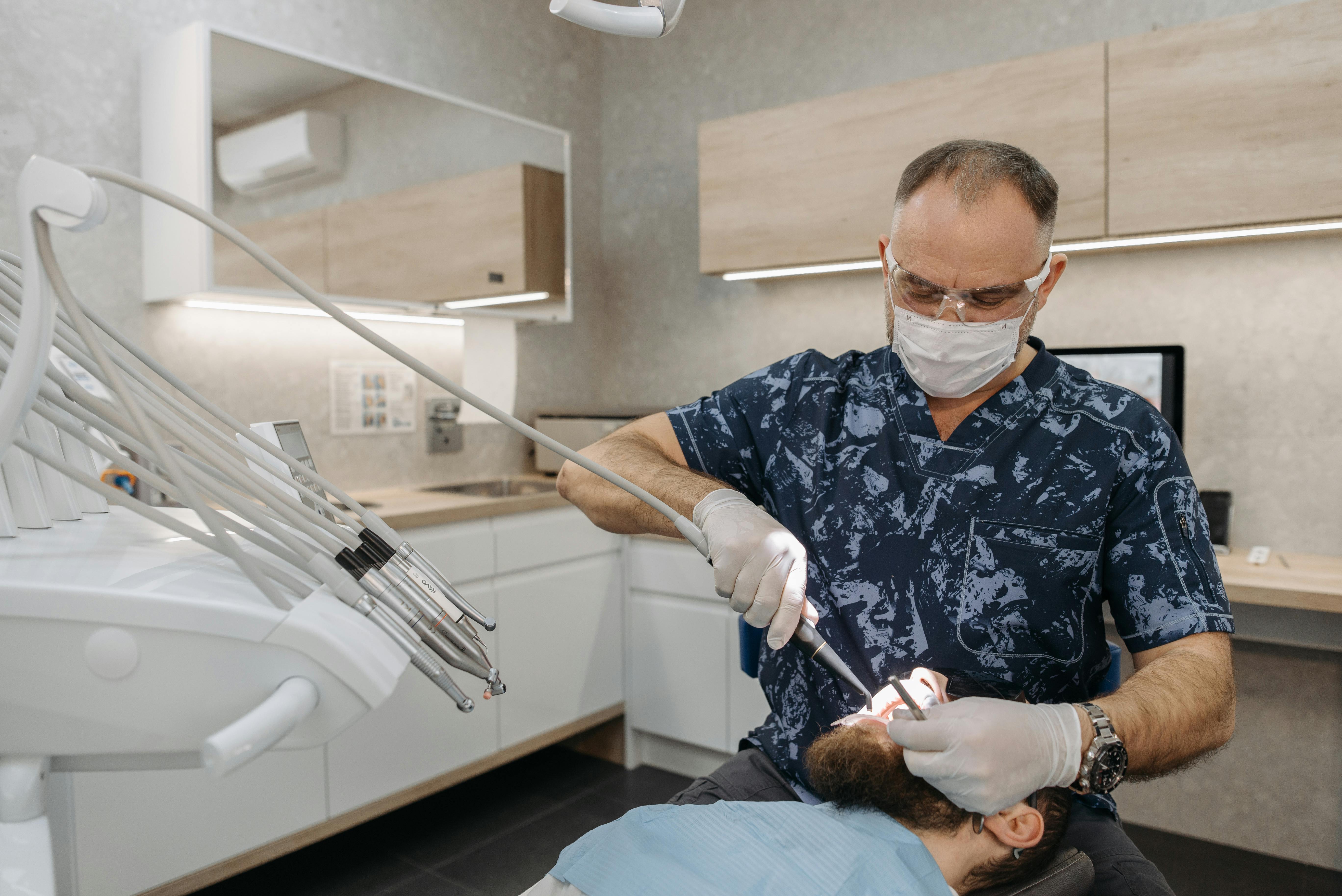
Restorative dentistry is a specialized field of dentistry that focuses on restoring the function, comfort, and appearance of teeth that have been damaged or decayed. This type of dentistry is essential for patients who have experienced tooth loss, decay, or damage due to various reasons. For instance, a patient may have a missing tooth, which can affect their ability to chew, speak, or smile confidently. In such cases, restorative dentistry can help restore the patient’s oral health and overall quality of life.
Types of Restorative Dentistry Services
Restorative dentistry encompasses a wide range of services, including dental fillings, crowns, bridges, dentures, and implants. Each of these services is designed to address specific dental needs and can be used in combination to achieve optimal results. For example, a patient may require a dental filling to repair a small cavity, while another patient may need a crown to cover a damaged tooth. In some cases, a patient may require a combination of services, such as a bridge to replace a missing tooth and a crown to cover a damaged adjacent tooth.
Dental Fillings
Dental fillings are a common restorative dentistry service used to repair small cavities or decayed teeth. The filling material is chosen based on the location and extent of the decay, as well as the patient’s personal preferences. For instance, amalgam fillings are often used for back teeth due to their durability and resistance to wear, while composite fillings are commonly used for front teeth due to their aesthetic appeal. According to the American Dental Association, dental fillings can last for many years with proper care and maintenance. For more information on dental fillings, read more about this topic.
Crowns and Bridges
Crowns and bridges are restorative dentistry services used to cover damaged or missing teeth. A crown is a cap that covers the entire tooth, while a bridge is a device that spans the gap between two teeth. Crowns and bridges can be made from various materials, including ceramic, porcelain, and metal. The choice of material depends on the patient’s oral health, lifestyle, and personal preferences. For instance, ceramic crowns are often used for front teeth due to their aesthetic appeal, while metal crowns are commonly used for back teeth due to their durability. According to the Academy of General Dentistry, crowns and bridges can last for many years with proper care and maintenance. For more information on crowns and bridges, learn more in this detailed guide.
Dentures and Implants
Dentures and implants are restorative dentistry services used to replace missing teeth. Dentures are removable appliances that consist of artificial teeth attached to a gum-colored base. Implants, on the other hand, are permanent devices that are surgically inserted into the jawbone. Both dentures and implants can be used to restore the patient’s oral health and overall quality of life. According to the American College of Prosthodontists, dentures and implants can last for many years with proper care and maintenance. For more information on dentures and implants, find additional information here.
Benefits of Restorative Dentistry
Restorative dentistry offers numerous benefits for patients who have experienced tooth loss, decay, or damage. Some of the benefits include improved oral health, enhanced appearance, and increased confidence. Restorative dentistry can also help patients eat, speak, and smile with comfort and confidence. In addition, restorative dentistry can help patients avoid more complex and costly procedures in the future. For instance, a patient who receives a dental filling may avoid the need for a root canal or extraction. According to the American Dental Association, restorative dentistry can help patients achieve optimal oral health and overall quality of life. For more information on the benefits of restorative dentistry, explore further insights here.
Conclusion
Restorative dentistry is a vital field of dentistry that focuses on restoring the function, comfort, and appearance of teeth that have been damaged or decayed. This type of dentistry encompasses a wide range of services, including dental fillings, crowns, bridges, dentures, and implants. Each of these services is designed to address specific dental needs and can be used in combination to achieve optimal results. By choosing restorative dentistry, patients can improve their oral health, enhance their appearance, and increase their confidence. For more information on restorative dentistry, read more about this topic.