 By Hudson Lamington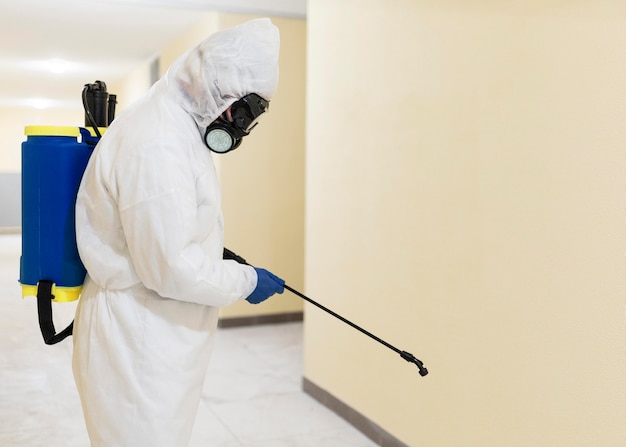
Bed bugs are a common nuisance that can disrupt the peace and comfort of any home or business. Professional bed bug control is crucial to ensure a pest-free environment and protect the health and wellbeing of occupants. Effective treatment requires a comprehensive understanding of bed bug behavior, identification, and the implementation of tailored solutions. This article delves into expert strategies for managing bed bug infestations, offering a pathway to reclaiming a comfortable and hygienic space.
Understanding Bed Bugs
Bed bugs are small, wingless insects that feed on the blood of humans and animals. They are notorious for their ability to multiply rapidly and hide in small crevices, making them difficult to detect and eradicate. Here are some key characteristics of bed bugs:
- Size: Adult bed bugs are about the size of an apple seed, approximately 5-7 mm long.
- Color: They are typically brown, but their color may change to a reddish hue after feeding.
- Habits: Bed bugs are nocturnal, usually hiding during the day and becoming active at night.
- Hiding Spots: Common hiding places include mattresses, box springs, bed frames, and cracks in walls.
Explore advanced guides and tips to understand more about bed bug behavior and identification.
Signs of a Bed Bug Infestation
Early detection of a bed bug infestation can significantly ease the process of extermination. Be vigilant for these tell-tale signs:
- Itchy, red bites on the skin, often in a line or cluster.
- Blood stains on sheets or pillowcases.
- Dark or rusty spots of bed bug excrement on mattresses and bedding.
- An offensive, musty odor from the bugs’ scent glands.
Find out more about this approach to effectively identify and confirm an infestation.
Professional Bed Bug Control Solutions
Inspection and Identification
A thorough inspection is the first step in professional bed bug control. Trained specialists can pinpoint infestation sources and assess the extent of the problem. This step is crucial for formulating an effective treatment plan.
Treatment Options
Various treatment methods are employed to eradicate bed bugs, each tailored to specific infestation scenarios:
- Heat Treatment: Utilizing specialized equipment to raise room temperatures to levels lethal for bed bugs.
- Chemical Treatments: The application of EPA-approved insecticides to targeted areas.
- Integrated Pest Management (IPM): Combining chemical and non-chemical methods for a holistic approach.
Discover expert strategies here to learn more about these treatment options.
Preventive Measures
Post-treatment, implementing preventive measures is vital to avoid future infestations. Consider these effective strategies:
- Regularly vacuuming carpets, floors, and upholstery.
- Encasing mattresses and box springs in protective covers.
- Reducing clutter to eliminate potential hiding spots.
- Inspecting second-hand furniture before bringing it into your home.
Learn about our tailored solutions for maintaining a pest-free environment.
Conclusion
Professional bed bug control is essential for maintaining a healthy, pest-free environment. By understanding bed bug behavior, identifying early signs of infestation, and applying comprehensive treatment and preventive measures, individuals can effectively address and prevent these pests. For those seeking to tackle bed bug issues with confidence, professional expertise and specialized solutions are invaluable resources.
Discover expert strategies here to ensure peace of mind and a comfortable living space.