 By Hudson Lamington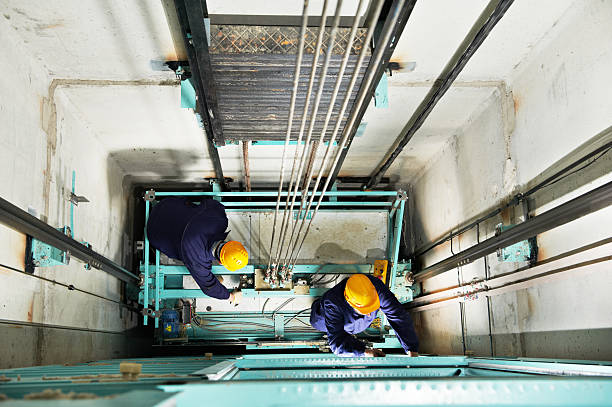
In an era where technological advancement is reshaping industries, the elevator sector is not left behind. Modernizing elevators is paramount for improving performance, increasing safety, and enhancing user experience. Elevators have become an intrinsic part of urban life, and their efficient operation is critical in high-rise buildings. This article explores the essential aspects of elevator modernization, the benefits it brings, and the strategic approaches required to implement it effectively.
The Need for Elevator Modernization
Elevator systems, like any other mechanical and electrical systems, deteriorate over time. This wear and tear can lead to inefficiencies, increased maintenance costs, and potential safety risks. Modernizing an elevator involves updating critical components and systems to improve performance and comply with current safety standards. Key reasons for modernization include:
- Meeting new safety standards and regulations.
- Reducing energy consumption and operational costs.
- Enhancing ride quality and reducing wait times.
- Improving the aesthetic appeal of elevator cabins.
To understand more about how modernization impacts elevator systems, explore advanced guides and tips.
Components of Elevator Modernization
1. Control System Upgrades
The control system is the brain of an elevator. Upgrading to a modern control system can significantly enhance efficiency and safety. Advanced control systems integrate smart technology to optimize traffic flow, reduce energy use, and improve precision in stopping accuracy. Learn about our tailored solutions for upgrading control systems.
2. Drive System Enhancements
Replacing outdated drive systems with energy-efficient models can lead to substantial savings in electricity costs. Modern drives offer better ride comfort by providing smoother acceleration and deceleration. Discover expert strategies here for drive system enhancements.
3. Door Mechanism Improvements
Door malfunctions are a common source of elevator downtime. Upgrading door systems can enhance reliability and reduce maintenance needs. Modern door mechanisms are designed for quiet operation and improved safety, preventing accidental entrapment. Find out more about this approach.
Benefits of Elevator Modernization
Modernizing elevators is not just about compliance and cost savings; it also significantly enhances user experience. Key benefits include:
- Improved safety with advanced monitoring and emergency response systems.
- Enhanced passenger satisfaction through quicker, quieter, and more reliable rides.
- Increased property value by upgrading to state-of-the-art elevator systems.
- Eco-friendly operations through reduced energy consumption.
For a deeper understanding of the benefits, explore advanced guides and tips.
Strategic Approach to Elevator Modernization
Successful elevator modernization requires a strategic approach that involves assessment, planning, and execution. Here are some steps to consider:
- Conduct a thorough assessment of current elevator conditions to identify areas needing improvement.
- Engage with professional service providers who offer expert advice and tailor solutions to specific needs.
- Plan the modernization project to minimize disruption to building operations and ensure timely completion.
- Implement regular maintenance checks post-modernization to maintain optimum performance.
By following a structured approach, building managers can ensure a smooth modernization process. Learn about our tailored solutions for strategic planning and execution.
In conclusion, elevator modernization is a crucial step for enhancing building performance and safety. With the right strategies and expert advice, modernizing elevators can lead to significant improvements in operational efficiency and passenger satisfaction. As urban landscapes continue to evolve, modern elevators will remain a cornerstone of building infrastructure. Discover expert strategies here to embark on your modernization journey.