 By Hudson Lamington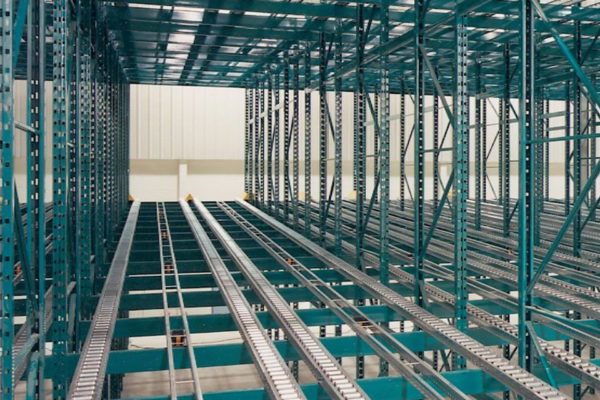
In today’s fast-paced industrial environment, optimizing storage and distribution processes is crucial for maintaining competitive edges. Pallet flow racking systems, also known as gravity flow racks, are increasingly recognized as a strategic solution for maximizing warehouse efficiency. These dynamic storage systems use the force of gravity to streamline inventory management, improve space utilization, and enhance productivity. Understanding the operational benefits and implementation strategies of pallet flow racking can significantly impact warehouse management effectiveness.
The Mechanics of Pallet Flow Racking Systems
Pallet flow racking systems are engineered to utilize a declivity in their structure, allowing pallets to move forward through gravitational pull. These systems are designed to hold multiple pallets deep and are ideal for operations requiring high-density storage and swift inventory turnover.
Key Components
- Inclined Tracks: Built into the racking system, these tracks guide pallets from the loading to the picking end efficiently.
- Rollers: These facilitate the smooth movement of pallets along the tracks, significantly reducing manual handling.
- Braking Systems: Integrated to control the speed of pallet movement, ensuring safety and preventing damage.
- Entry and Exit Guides: These elements assist in the accurate placement and retrieval of pallets, minimizing errors and enhancing order accuracy.
Advantages of Implementing Pallet Flow Racking
The deployment of pallet flow racking systems offers numerous advantages, particularly in high-volume storage environments. The following benefits underscore why this system is a preferred choice for many industries:
- Enhanced Space Utilization: By capitalizing on depth rather than width, pallet flow racking systems maximize the available storage space.
- Increased Picking Efficiency: The first-in, first-out (FIFO) inventory management principle is naturally supported, promoting fresher stock rotation and reducing waste.
- Reduced Labor Costs: Automation of pallet movement minimizes the need for manual handling, reducing labor requirements and associated costs.
- Improved Safety: Automated systems reduce the risk of workplace accidents associated with manual pallet handling.
Considerations for Successful Implementation
While the benefits of pallet flow racking are substantial, successful implementation requires careful planning and consideration of several factors:
Warehouse Layout and Design
Evaluating the current warehouse layout and designing a system that complements existing workflows is crucial. Customizing the incline and track configuration to fit specific operational needs can enhance system effectiveness.
Inventory Characteristics
Understanding the nature of the products stored is vital. Pallet flow racking systems are most effective for uniform products with consistent dimensions and weight. Variability can impact the system’s efficiency and safety.
Maintenance and Upkeep
Regular maintenance is essential to ensure the longevity and reliability of the racking system. Periodic checks and balancing rollers and brakes maintain optimal performance, preventing downtime and disruptions.
Conclusion: Making the Right Choice
Incorporating a pallet flow racking system into warehouse operations can deliver significant efficiency gains and cost savings. By understanding the mechanics, benefits, and implementation considerations, businesses can make informed decisions that align with their operational goals. A well-executed pallet flow system not only optimizes space and improves productivity but also enhances overall inventory management practices, contributing to a more streamlined and efficient supply chain.