 By Hudson Lamington
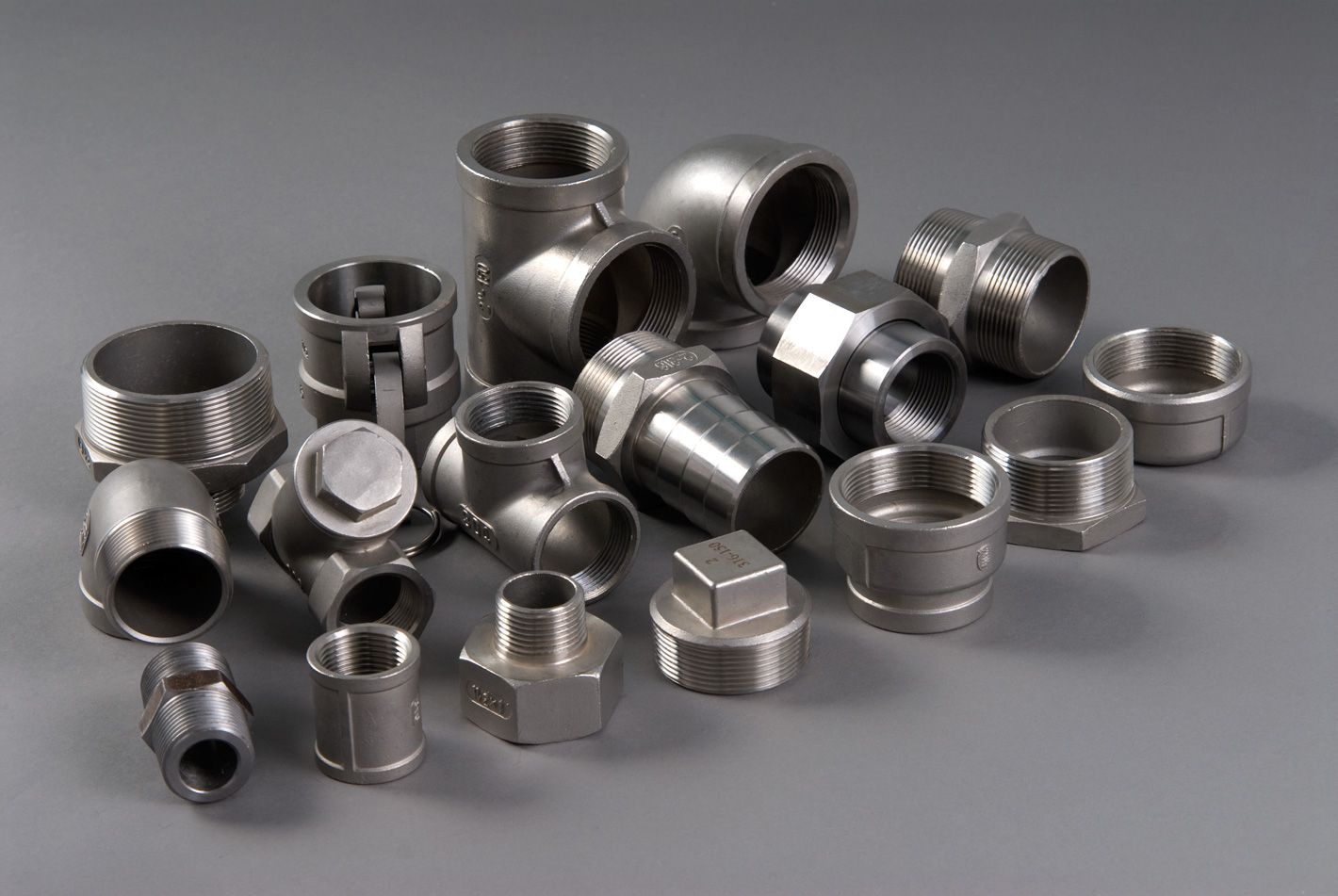
When it comes to threaded joints, the choice of material can significantly impact the performance and longevity of the system. Stainless steel has emerged as a popular choice for this application due to its exceptional properties and benefits. In this article, we will explore the advantages of using stainless steel in threaded joints and why it is becoming increasingly preferred in various industries.
Properties of Stainless Steel
Stainless steel is a corrosion-resistant alloy that contains a minimum of 10.5% chromium content. This unique composition gives it a high level of resistance to corrosion, making it an ideal choice for applications where exposure to harsh environments is a concern. In addition to its corrosion-resistant properties, stainless steel also exhibits high strength, durability, and resistance to wear and tear.
Benefits of Stainless Steel in Threaded Joints
- Corrosion Resistance: Stainless steel’s corrosion-resistant properties make it an ideal choice for threaded joints that are exposed to harsh environments, such as seawater, chemicals, or high-temperature applications.
- High Strength and Durability: Stainless steel’s high strength and durability ensure that threaded joints can withstand heavy loads and stresses without compromising their performance.
- Resistance to Wear and Tear: Stainless steel’s resistance to wear and tear makes it an excellent choice for applications where threaded joints are subject to frequent use and maintenance.
Applications of Stainless Steel Threaded Joints
Stainless steel threaded joints are widely used in various industries, including oil and gas, chemical processing, marine, and food processing. Their exceptional properties and benefits make them an ideal choice for applications where reliability and performance are critical. For instance, stainless steel threaded joint are commonly used in seawater applications, where their corrosion-resistant properties are essential for ensuring the longevity of the system.
Comparison with Other Materials
When compared to other materials, such as carbon steel or brass, stainless steel threaded joints offer several advantages. They are more resistant to corrosion, have higher strength and durability, and exhibit better resistance to wear and tear. Additionally, stainless steel threaded joints are relatively easy to install and maintain, making them a cost-effective choice in the long run.
Conclusion
In conclusion, stainless steel threaded joints offer a range of benefits that make them an attractive choice for various industries. Their corrosion-resistant properties, high strength and durability, and resistance to wear and tear make them an ideal choice for applications where reliability and performance are critical. As the demand for reliable and efficient threaded joints continues to grow, the use of stainless steel is likely to become even more widespread.
When selecting materials for threaded joints, it is essential to consider the specific requirements of the application. In many cases, stainless steel threaded joint are the best choice due to their exceptional properties and benefits. By choosing the right material for the job, engineers and manufacturers can ensure the longevity and performance of their systems, ultimately reducing maintenance and replacement costs.
For more information on the benefits of using stainless steel in threaded joints, visit the website of a leading manufacturer of stainless steel threaded joint for stainless steel threaded joint solutions.