 By Hudson Lamington
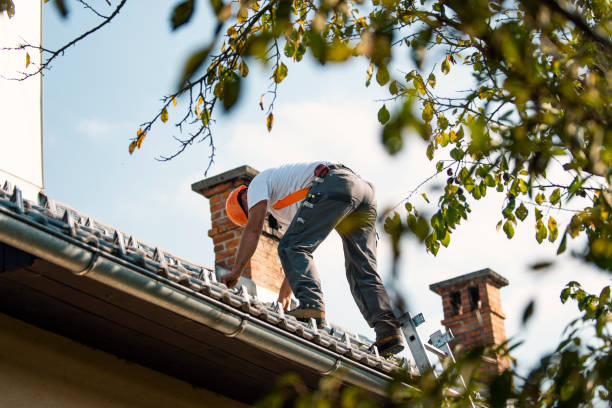
Maintaining a sound roof is one of the most critical aspects of home ownership in Perth’s climate, where intense sun, heavy rain, and occasional storms can quickly expose weaknesses. A systematic roof inspection not only safeguards the structural integrity of a property but also prevents costly repairs down the line. This checklist is designed for homeowners who want a thorough, step-by-step guide to evaluate their roof’s condition, identify early signs of damage, and decide when professional assistance is warranted.
Why Regular Roof Inspections Matter
Perth’s weather patterns place unique demands on roofing materials. UV radiation degrades shingles, while seasonal storms can dislodge tiles and compromise flashing. Conducting inspections at least twice a year, ideally in spring and autumn, helps catch problems before they become emergencies. Consistent monitoring also extends the lifespan of the roof, maintains energy efficiency, and preserves property value.
Essential Tools and Safety Gear
- Sturdy ladder with non-slip feet
- Safety harness and fall protection system
- Protective gloves and non-slip shoes
- Flashlight or headlamp for shaded areas
- Measuring tape and notepad for documentation
- Digital camera or smartphone for photos
Exterior Inspection Checklist
1. Visual Scan from Ground Level
- Look for missing, cracked, or curling shingles/tiles.
- Check for moss, algae, or lichen growth, especially in shaded sections.
- Identify any sagging areas that may indicate structural stress.
- Observe the condition of gutters and downspouts, clogged or damaged systems can cause water backing up onto the roof.
2. Close-Up Roof Walk-Through
- Inspect flashing around chimneys, vents, and skylights for rust, gaps, or loose fasteners.
- Examine roof penetrations (e.g., satellite dishes) for proper sealing.
- Assess the condition of roof decking where visible, look for soft spots or rot.
- Check for granule loss on asphalt shingles; excessive granules in gutters signal wear.
3. Assess Roof Valleys and Eaves
- Ensure valleys are clear of debris; blockages can accelerate water runoff problems.
- Verify that eave overhangs are intact and not rotting.
- Look for signs of water staining on the underside of the eaves, indicating leaks.
Interior Inspection Checklist
1. Attic Examination
- Inspect insulation for dampness or mold, wet insulation often points to roof leaks.
- Check rafters and trusses for water stains, rot, or pest damage.
- Look for daylight through the roof deck; any visible light suggests gaps.
2. Ceiling and Wall Checks
- Identify water stains, discoloration, or peeling paint on ceilings and upper walls.
- Feel for dampness when touching interior surfaces during a rain event.
- Listen for dripping sounds after heavy rain, these can reveal hidden leaks.
Seasonal Considerations for Perth Homeowners
Perth’s climate shifts dramatically between the hot, dry summer months and the wetter winter period. Adjust the inspection focus accordingly:
- Summer: Prioritise UV damage, look for faded shingles, cracked sealants, and warped metal flashing.
- Winter: Emphasise water infiltration, inspect for loose tiles, clogged gutters, and compromised flashing.
- After severe storms: Conduct an immediate post-storm walk-through to spot fallen debris, displaced shingles, or new leaks.
When to Call a Professional
Even with a diligent DIY approach, certain situations demand the expertise of a qualified roofer. If any of the following are observed, it is advisable to seek professional assessment:
- Extensive shingle loss or widespread cracking.
- Visible structural movement, such as sagging roof lines.
- Persistent water stains despite apparent repairs.
- Complex flashing failures around multiple roof penetrations.
For detailed guidance on selecting a qualified service, Discover expert strategies here. The site offers a range of resources that help homeowners understand what to expect during a professional inspection and how to evaluate repair proposals.
Documenting Your Inspection
Accurate records streamline future maintenance and support insurance claims if damage occurs. Follow these steps to create a comprehensive inspection log:
- Take clear, dated photographs of each area inspected.
- Note the condition of each component (e.g., “Shingles 3-4″?mm granule loss on south slope”).
- Record weather conditions on the day of inspection.
- Maintain a checklist file, digital spreadsheets work well for tracking changes over time.
For templates and further tips on documentation, Explore advanced guides and tips.
Maintenance Tips to Extend Roof Life
- Clean gutters and downspouts at least twice a year to prevent water backup.
- Trim overhanging trees to reduce debris accumulation and moss growth.
- Apply roof-compatible sealants to flashing after repairs.
- Schedule professional roof cleaning every 3-5 years, especially for metal or tile roofs.
- Consider reflective roof coatings to mitigate heat absorption during summer months.
For a deeper dive into tailored maintenance plans, Learn about our tailored solutions. The information provided aligns with best practices for Perth’s specific climate challenges.
Final Thoughts
Proactive roof care is an investment that pays dividends in safety, comfort, and property value. By following this comprehensive checklist, homeowners can confidently assess their roof’s condition, spot early warning signs, and decide when professional help is necessary. Regular inspections, proper documentation, and timely maintenance form the cornerstone of a resilient roof that stands up to Perth’s demanding environment. For additional resources and expert advice, Find out more about this approach and stay ahead of potential roofing issues.