 By Hudson Lamington
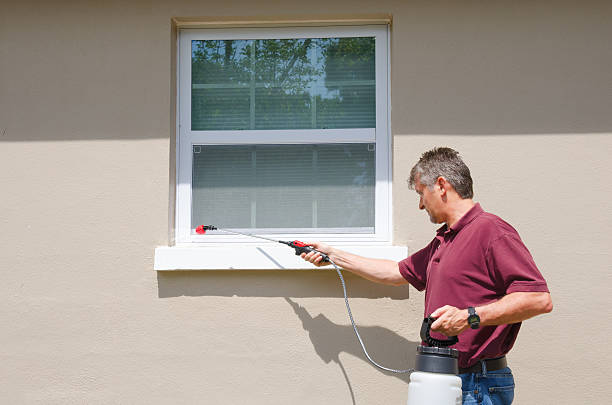
Effective pest management is essential for maintaining healthy residential and commercial environments. The industry has evolved dramatically, driven by advances in science, technology, and regulatory standards. Understanding the criteria that define a top-tier pest control provider helps property owners make informed decisions, reduce risks, and ensure long-term protection against insects, rodents, and other unwanted intruders.
Key Characteristics of Leading Pest Control Providers
When evaluating pest control services, several core attributes consistently separate the best from the rest. These characteristics focus on safety, expertise, and reliability.
- Qualified Technicians: Personnel should hold certifications from recognized pest management authorities and receive ongoing training to stay current with emerging threats.
- Integrated Pest Management (IPM) Approach: A science-based strategy that combines monitoring, prevention, and targeted treatment while minimizing chemical use.
- Regulatory Compliance: Adherence to local and national regulations ensures that all treatments meet safety and environmental standards.
- Transparent Reporting: Detailed service reports that outline findings, actions taken, and recommendations for future prevention.
- Customer Education: Providing resources that empower clients to reduce pest attraction factors within their premises.
Service Offerings That Define Excellence
A comprehensive pest control company typically offers a wide range of services tailored to specific pest challenges. The breadth and depth of these offerings indicate a provider’s capability to handle diverse situations.
Residential Solutions
- General household pest inspections and treatments.
- Specialized programs for termites, bed bugs, and cockroaches.
- Eco-friendly options for families seeking low-impact solutions.
Commercial and Industrial Services
- Food-service facility compliance programs.
- Warehouse and storage pest prevention plans.
- Customized contracts that include scheduled monitoring and rapid response.
For a deeper dive into the variety of services that modern providers deliver, Read more about this topic.
Technology and Innovation in Pest Management
Advancements in technology have reshaped how pests are detected, monitored, and eliminated. Leading companies leverage these tools to improve accuracy and efficiency.
- Digital Monitoring: Remote sensors and smart traps transmit real-time data to technicians, enabling proactive interventions.
- GIS Mapping: Geographic information systems help visualize infestation patterns and predict hotspots.
- Eco-Friendly Formulations: Biopesticides and reduced-risk chemicals lower environmental impact while maintaining efficacy.
- Automation: Scheduling software streamlines appointment management and ensures consistent follow-up.
To explore how technology enhances pest control outcomes, Learn more in this detailed guide.
Evaluating Service Quality and Reliability
Beyond capabilities, the consistency of service delivery is a critical factor. The following checklist helps assess a provider’s reliability:
- Response time for emergency calls.
- Availability of after-hours support.
- Clear communication of treatment plans and safety precautions.
- Use of documented protocols and quality control checks.
- Customer feedback mechanisms that drive continuous improvement.
Environmental Responsibility and Sustainability
Responsible pest management balances effective control with stewardship of the environment. Top firms adopt sustainable practices such as:
- Prioritizing non-chemical methods whenever feasible.
- Implementing waste reduction programs for packaging and chemicals.
- Partnering with suppliers that adhere to green certification standards.
For additional insights on sustainable pest control practices, Explore further insights here.
Conclusion
Choosing the right pest control partner involves assessing expertise, service breadth, technological integration, reliability, and environmental responsibility. By focusing on these criteria, property owners can secure a provider that delivers safe, effective, and lasting protection against pests. Continuous education and transparent communication further ensure that pest management remains a proactive, rather than reactive, component of property maintenance.