 By Hudson Lamington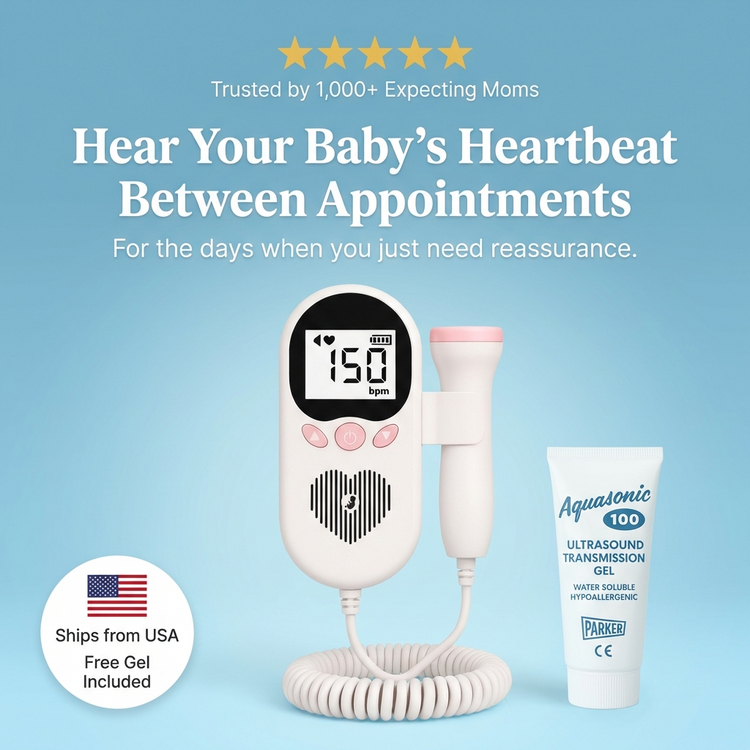
Expecting a new addition to the family is an exhilarating journey filled with anticipation, joy, and a hint of anxiety. Throughout the trimesters, parents-to-be often seek ways to feel more connected to their growing baby. While ultrasounds offer a glimpse into the womb, they are not as frequent or accessible for regular reassurance. This is where a fetal Doppler becomes invaluable, allowing expectant parents to listen to their baby’s heartbeat anytime, providing both peace of mind and an enhanced bonding experience. To better understand why fetal Dopplers are an essential tool for expectant parents, this article delves into their benefits, usage, and considerations.
The Benefits of Using a Fetal Doppler
Fetal Dopplers are handheld ultrasound devices that allow parents to listen to the fetal heartbeat. They offer several advantages that make them a must-have for many expectant families:
- Emotional Reassurance: The ability to hear the baby”?s heartbeat can provide immense comfort, especially in the early stages of pregnancy when movement is not yet felt.
- Strengthening the Parental Bond: Listening to the baby’s heartbeat fosters a deeper connection between parents and their unborn child, enhancing the prenatal bonding experience.
- Supporting Mental Health: Regularly hearing the heartbeat can alleviate anxiety and stress, contributing to better mental health during pregnancy.
- Increased Awareness: By familiarizing themselves with the normal sounds and rhythms of their baby”?s heartbeat, parents can promptly identify concerns that may require professional attention.
For more information on the benefits of fetal Dopplers, visit this comprehensive guide.
How to Use a Fetal Doppler Safely
While fetal Dopplers are generally safe, it is crucial to use them correctly to ensure both the safety of the mother and the baby. Here are some expert-recommended tips:
- Follow Instructions: Always read and adhere to the manufacturer’s instructions for best practices.
- Limit Usage: Use the Doppler sparingly to avoid unnecessary exposure to ultrasound waves.
- Seek Professional Guidance: If there are any concerns or inconsistencies in the heartbeat, consult a healthcare professional rather than solely relying on the device.
- Choose the Right Time: The ideal time to use a fetal Doppler is usually after the 12th week of pregnancy, when the heartbeat is more easily detectable.
Find out more about this approach by exploring advanced guides and tips on safe usage.
Considerations When Choosing a Fetal Doppler
Before purchasing a fetal Doppler, there are several factors to consider to ensure it meets your needs:
Features
- Display Type: Some models offer digital displays, while others may only have audio output.
- Audio Clarity: Opt for a Doppler with clear audio to better hear the baby’s heartbeat.
- Portability: Consider the device’s size and battery life for convenient use at home or on the go.
Reputation and Reviews
- Brand Reliability: Choose reputable brands known for quality and safety.
- User Reviews: Read reviews from other parents to understand the device’s effectiveness and user-friendliness.
To explore advanced guides and tips on selecting the right Doppler, you can learn about our tailored solutions.
Conclusion
Fetal Dopplers serve as a vital tool that can transform the pregnancy experience, offering reassurance, connection, and peace of mind. By understanding their benefits, safe usage, and the critical factors in selecting the right device, expectant parents can make informed decisions that enhance both their journey and their bond with their unborn child. For further resources on this topic, discover expert strategies here.