 By Hudson Lamington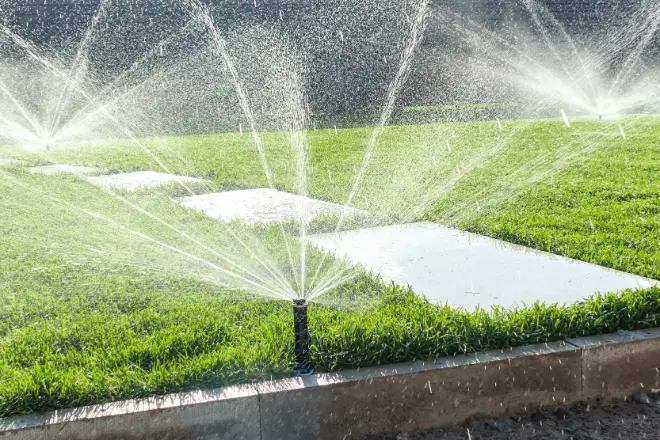
In the realm of construction projects, the installation of efficient irrigation systems is integral to ensuring sustainable landscape management. With increased environmental awareness, there is a growing emphasis on conserving water resources while maintaining lush, green spaces. Implementing an effective irrigation system not only enhances the aesthetic appeal of a construction project but also contributes to long-term environmental sustainability and cost-efficiency. This article delves into the essential aspects of installing an efficient irrigation system for construction projects, highlighting strategies, benefits, and considerations.
Understanding the Importance of Efficient Irrigation Systems
Efficient irrigation systems play a crucial role in the sustainability of construction projects. They ensure that landscapes are adequately watered, which helps in maintaining plant health, reducing water wastage, and lowering maintenance costs. Here are a few key benefits:
- Optimized water usage, reducing waste and conserving resources.
- Increased plant longevity and reduced need for replacement.
- Minimized runoff and erosion, protecting the environment.
- Enhanced aesthetic appeal of landscapes, boosting property value.
For more insights on sustainable irrigation practices, discover expert strategies here.
Key Components of an Efficient Irrigation System
When designing and installing an irrigation system for a construction project, several components are vital to ensure efficiency:
1. Advanced Controllers
Modern irrigation systems utilize advanced controllers that can adjust watering schedules based on weather data, soil moisture levels, and plant requirements.
2. Smart Sensors
Smart sensors help in monitoring soil moisture and weather conditions, allowing the system to adapt and optimize water usage dynamically. Find out more about this approach.
3. Efficient Sprinkler Heads
High-efficiency sprinkler heads are designed to deliver water uniformly and minimize evaporation and runoff, ensuring that water reaches the plant roots effectively.
4. Drip Irrigation
Drip irrigation systems are ideal for areas with varying plant types, as they provide targeted watering directly to the root zone, further reducing water wastage.
Steps to Install an Efficient Irrigation System
Proper installation is critical to the functionality and efficiency of an irrigation system. The following steps outline a general process:
- Conduct a thorough site assessment to understand the landscape’s water requirements and soil characteristics.
- Design the irrigation layout, incorporating necessary components such as controllers, sensors, and irrigation lines.
- Install the system according to the design, ensuring all components are correctly positioned and calibrated.
- Test the system to verify functionality and adjust settings for optimal performance.
- Provide maintenance guidelines to ensure long-term efficiency and sustainability.
To ensure a successful installation, explore advanced guides and tips here.
Considerations for Choosing the Right Irrigation System
Several factors should be considered when selecting an irrigation system for a construction project:
- Project Size and Scope: The system should be scalable to accommodate the project’s size and specific landscape needs.
- Climate and Weather Patterns: Understanding the local climate helps in selecting the appropriate system components and settings.
- Budget Constraints: Balancing initial investments with long-term savings is essential for budget-conscious projects.
- Environmental Impact: Opt for eco-friendly systems that minimize water wastage and promote sustainability.
For tailored solutions that align with specific project needs, learn about our tailored solutions.
In conclusion, the installation of an efficient irrigation system in construction projects is a strategic move towards sustainable development. By selecting the right components and following best practices, construction professionals can ensure that their landscapes remain vibrant and sustainable while contributing to broader environmental conservation efforts.