 By Hudson Lamington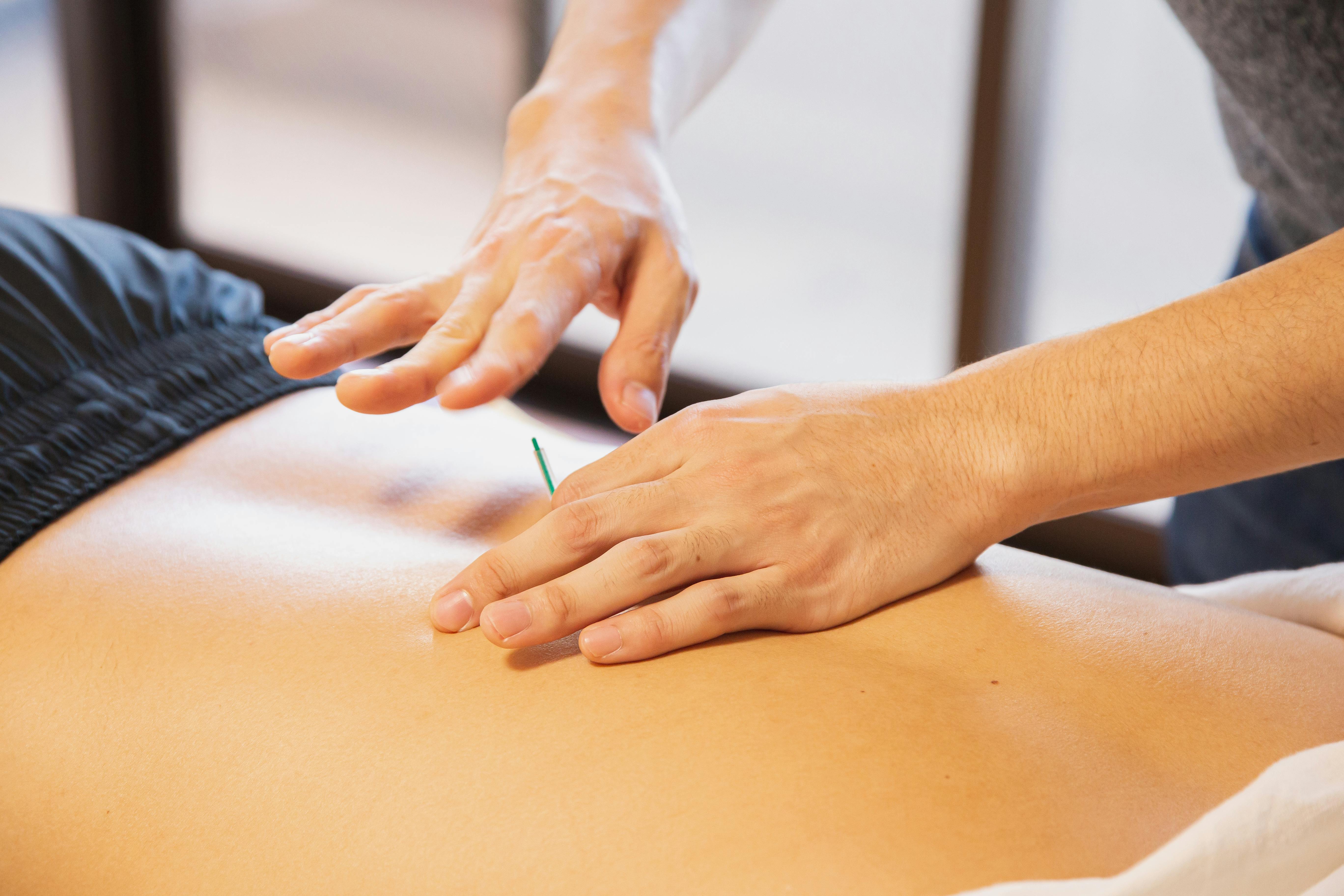
How Does Physio Dry Needling Work?
Physio dry needling is a technique that has gained popularity in recent years within the field of physiotherapy. This method, often mistaken for acupuncture, offers a distinct approach aimed at alleviating musculoskeletal pain and enhancing muscular function. But how exactly does it work? Let’s delve into the mechanics of this innovative therapy.
Understanding Dry Needling
What is Dry Needling?
Dry needling involves the insertion of thin, sterile needles into specific points on the body. These points, commonly known as trigger points, are located in tight bands of muscle or fascia that may cause pain or discomfort.
- Unlike acupuncture, which is rooted in traditional Chinese medicine, dry needling is based on modern Western medical principles.
- Its primary focus is on treating musculoskeletal pain and dysfunction.
- The practice aims to stimulate the body?s natural healing processes.
For those interested in a deeper understanding of this technique, discover expert strategies here.
The Mechanism Behind Dry Needling
How Does It Relieve Pain?
The effectiveness of dry needling lies in its ability to target myofascial trigger points. When a needle is inserted into a trigger point, several physiological responses occur:
- Release of tension: The mechanical action of the needle can release tight muscle bands.
- Increased blood flow: This helps in bringing nutrients and oxygen to the affected areas, promoting healing.
- Neural mechanisms: The stimulation can interrupt pain signals sent to the brain, providing relief.
By understanding the pain pathways and bodily responses, therapists can tailor the therapy to the individual’s needs. For more information, find out more about this approach.
Applications and Benefits
Who Can Benefit from Dry Needling?
Dry needling is versatile and can be beneficial for a wide range of conditions, including:
- Chronic back and neck pain
- Sports injuries
- Tension headaches
- Muscle strains
Advantages of Dry Needling
This therapeutic method offers several advantages:
- Non-invasive: It requires no medication or surgery.
- Quick relief: Many patients report significant pain reduction after just a few sessions.
- Enhanced mobility: By relieving muscle tension, patients often experience improved range of motion.
To learn about tailored solutions for various conditions, explore advanced guides and tips.
Conclusion
Physio dry needling stands out as a promising approach for dealing with musculoskeletal pain and dysfunction. Its ability to directly target problem areas and promote the body?s own healing mechanisms makes it a valuable tool in modern physiotherapy. As the field continues to evolve, dry needling remains a testament to the blend of traditional techniques with contemporary scientific understanding. For further insights, learn about our tailored solutions.